Buying or checking if a jeep is wartime and correct is a difficult job, and without any knowledge, it’s a task where mistakes are easily made.
Here, we will try to display as much information as needed about the Willys MB and the Ford GPW. Be aware that, for now, we are only covering the basics and the ‘standard.’ There are many more details required to make it a 100% accurate jeep!
Many info is at public websites, please, make sure to visit their website as well, there is a MASSIVE amount of information availble at these websites;
Jeepdraw
G503 Jeep Forum
Dataplates4u
We start with the 3 main features of the jeep.
Please, inform us if you see a fault or something to correct , or ofcourse if you have more questions!
Chassis
Ford GPW
Willys MB
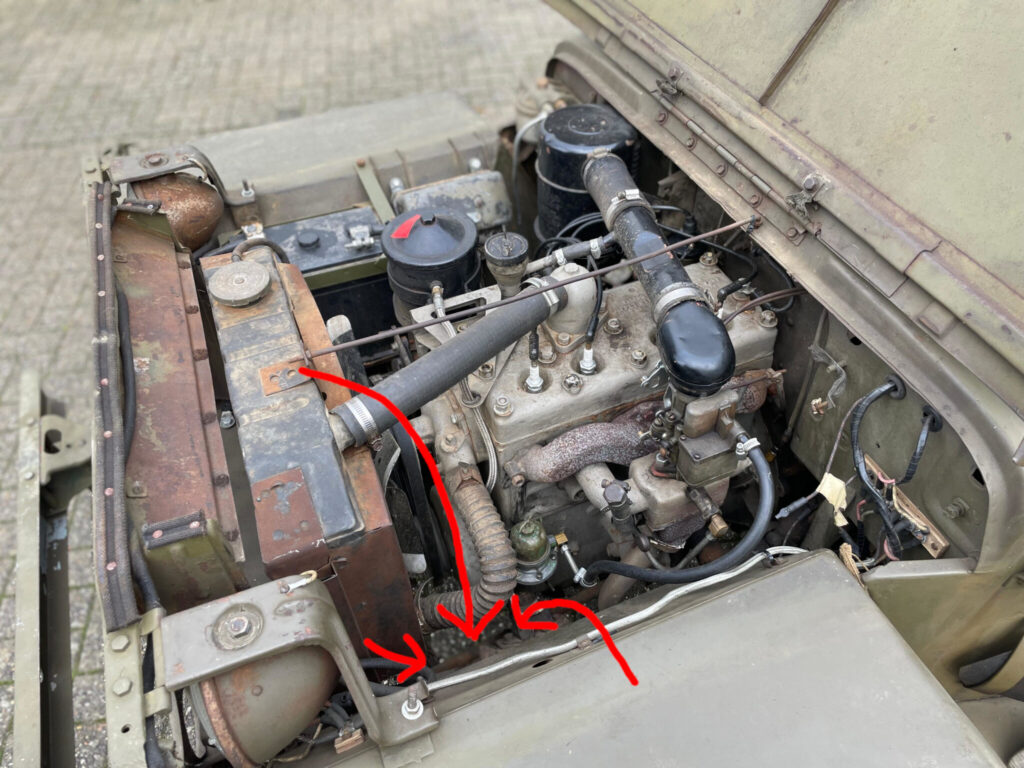
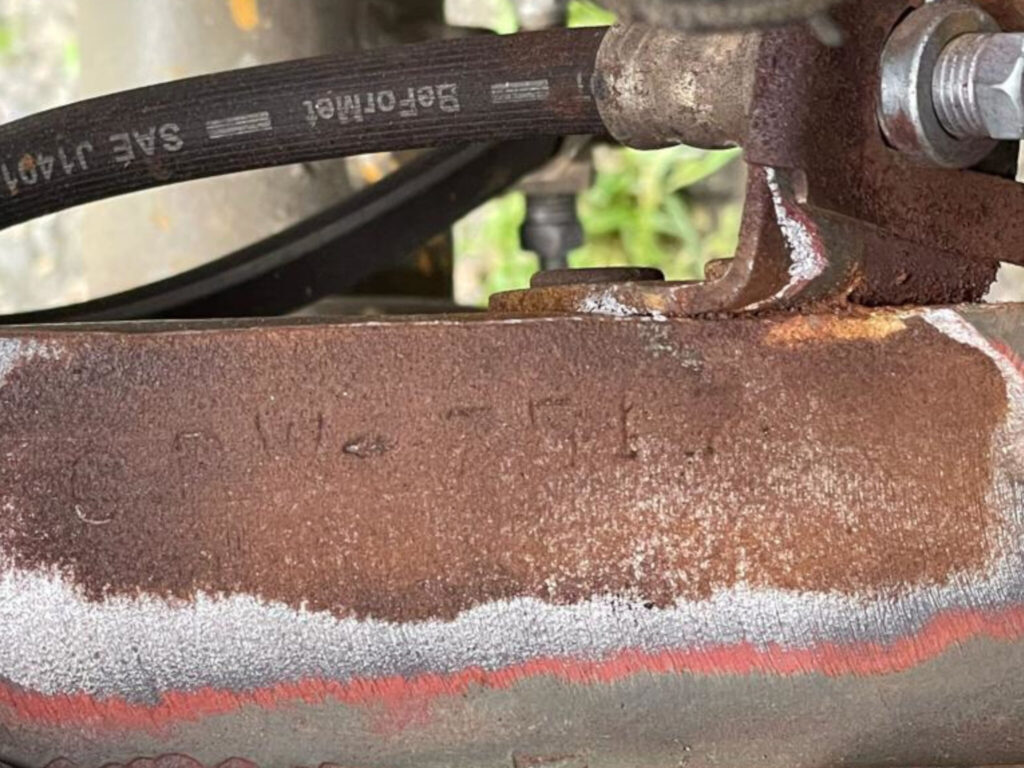
The Ford GPW has a stamped chassis number/serial number at the top of the left front chassis beam. The exact location is on the left side of the engine, between the mount for the brake line and the spot where the fender is attached to the chassis. The number can be found at the top of the chassis.
Until around frame number 8000, Ford used Willys MB chassis for their production line. After number 8000, they began manufacturing their own.
Be aware that Ford chassis markings can be very lightly pressed into the chassis.
Often, both Ford and Willys jeeps chassis were restamped after the war with an additional number.
How to Identify a Ford GPW Chassis
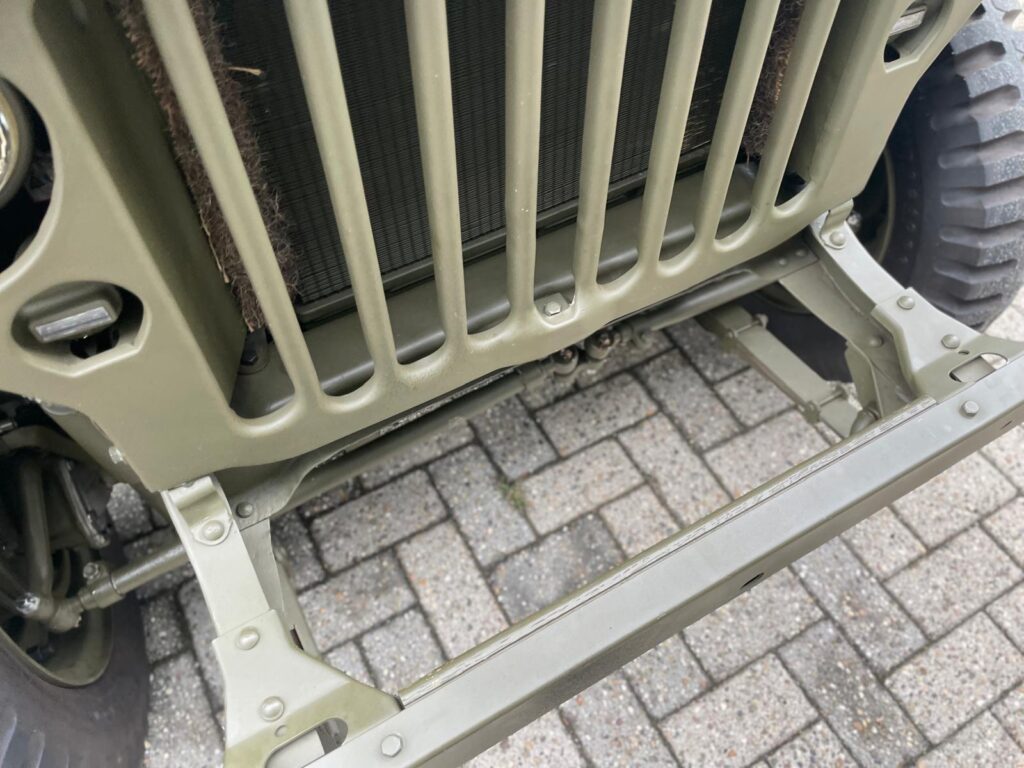
A Ford GPW chassis is recognizable by a square crossmember between the radiator and the grill (running from the left to the right side of the chassis). In the middle of this crossmember, there is an “F” (Ford) mark
Picture is the ‘Standard’ Ford GPW.
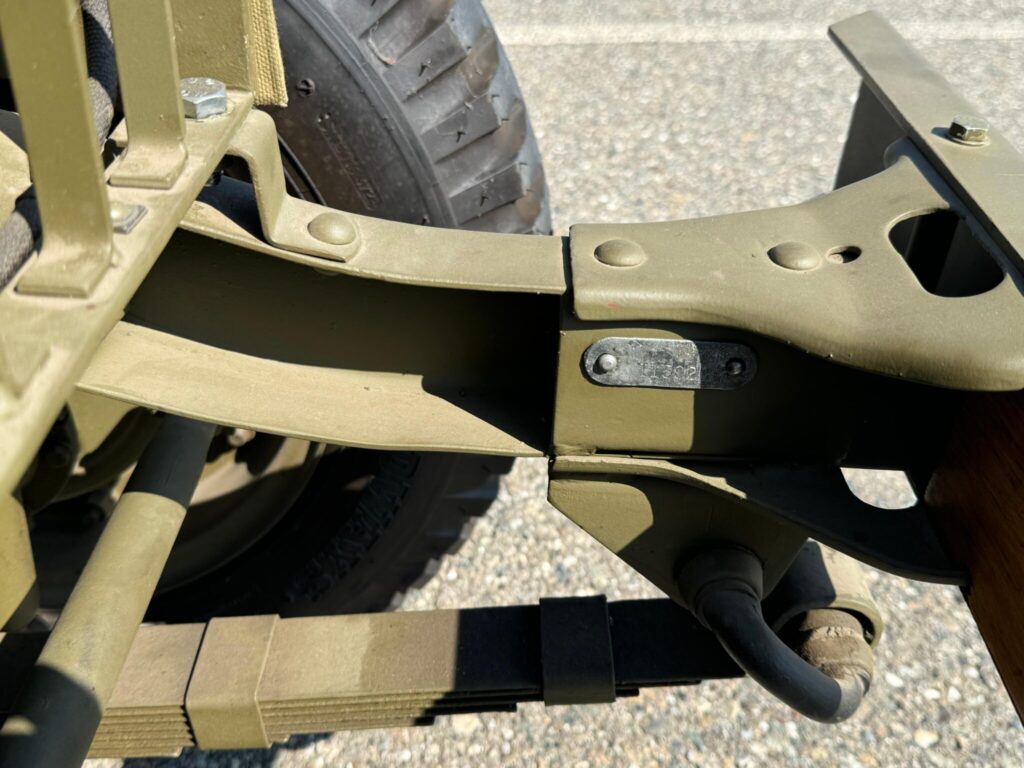
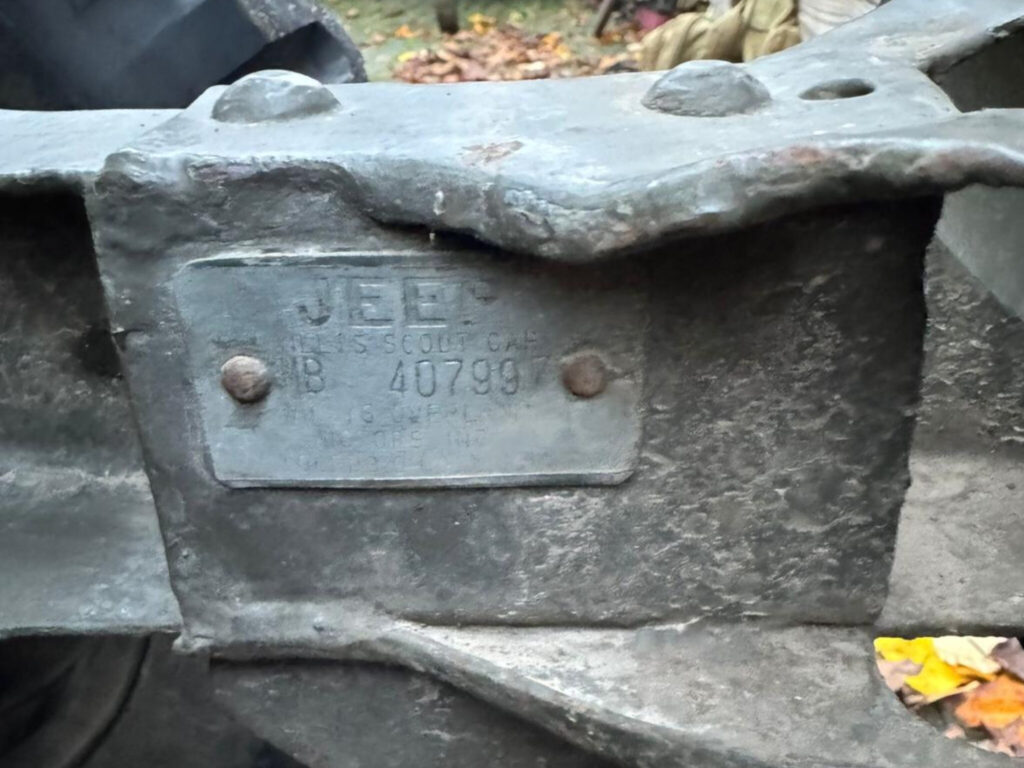
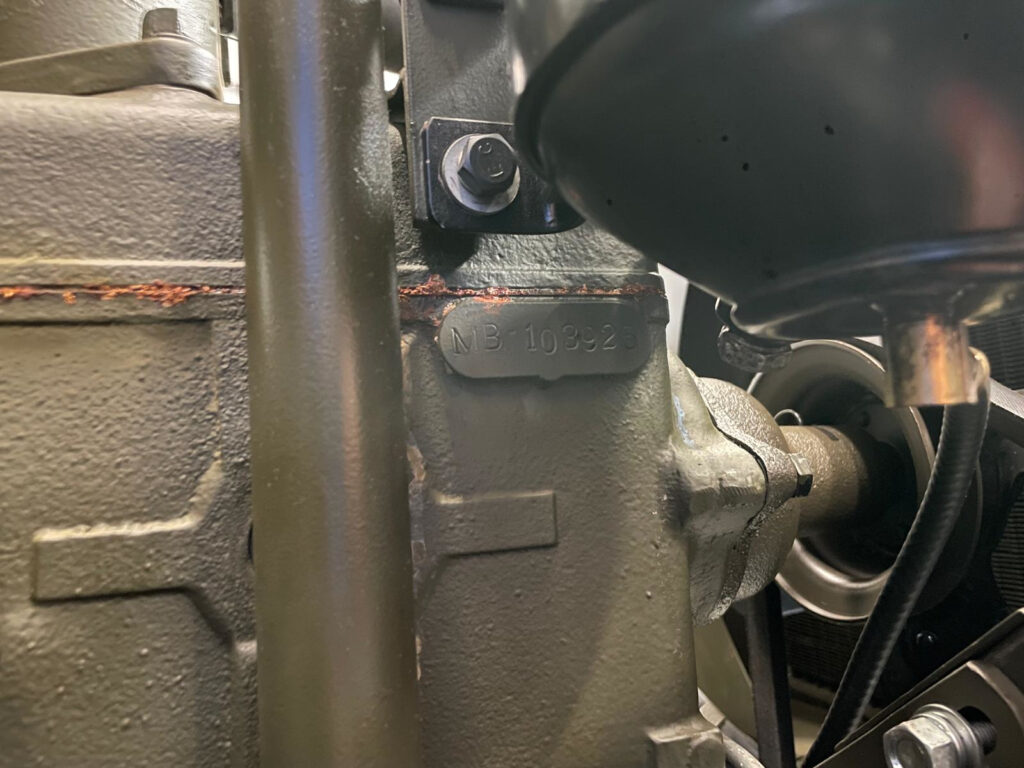
The Willys Overland MB has a stamped metal plate attached to the chassis with two bolts. Due to this, original chassis tags are often missing or replaced with replica ones.
The exact location is at the front of the left chassis beam, on the inner side of the beam, behind the front bumper.
Be aware that Willys MB chassis tags are often replaced with replicas.
Often, both Ford and Willys jeeps were restamped after the war with an additional number.
A Willys jeep chassis number consists of six digits, with “MB” in front of the numbers. (For early jeeps, there is no “MB” mark.)
How to Identify a Willys MB chassis.
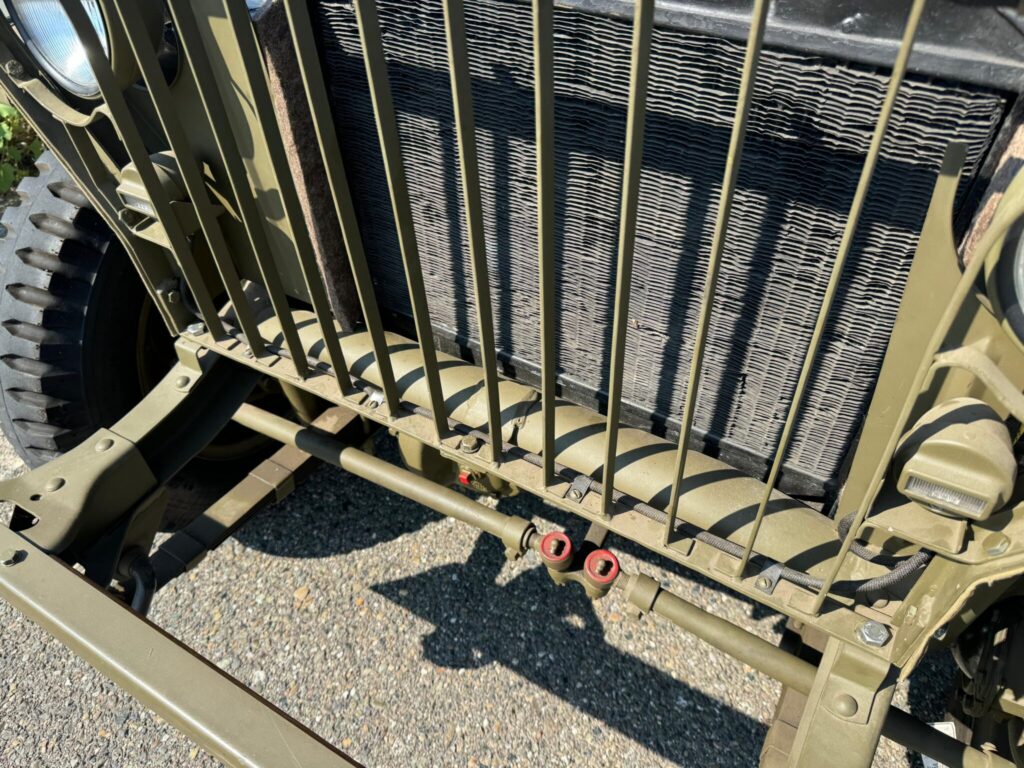
A Willys MB chassis is recognizable by a round tube crossmember between the radiator and the grill (running from the left to the right side of the chassis).
The picture shows an early Willys MB ‘slatgrill’ jeep. The ‘Standard’ MB had a grill similar to the one shown for the Ford
Notice the U-shaped beam behind the grill.
The chassis number can be found at the top of the left chassis beam, on the left side of the engine.
.
Notice the round tube instead of a U-shaped beam.
The chassis number can be found on the left side of the chassis.
May 1943 Ford GPW engine bay.
Early Willys MB Slatgrill Chassis number(Jan 1942)
Before chassis number MB122xxx ,the tag was marked without MB and the letter I was used instead of the number 1. (March 1942)
From Chassis number MB122xxx until around MB34xxxx the oval frame tag was used.(July 1944).
After MB34xxx square frame plate was used (see below)
Very early Ford GPW chassis number( March 20 1942)
Later wartime Willys MB chassis number(Jan 1945)
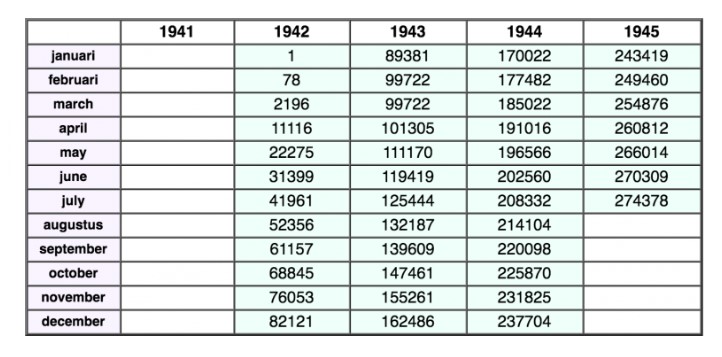
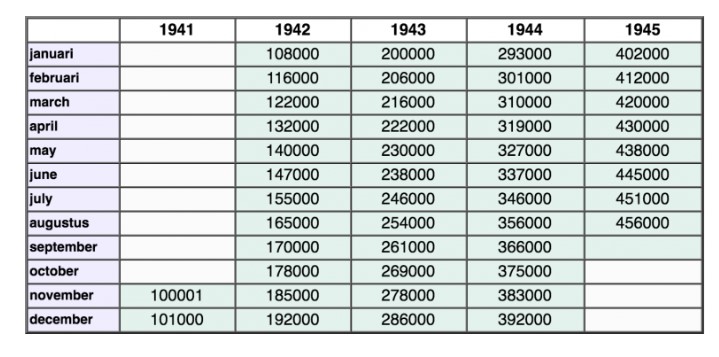
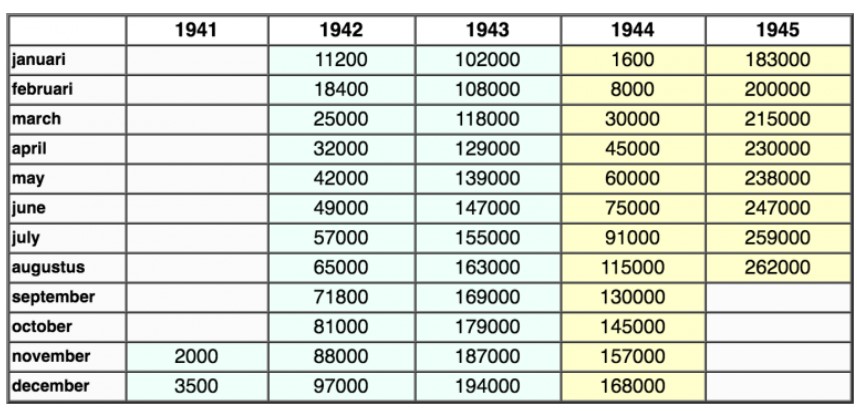
Dating your jeep is much easier when you know where to find the chassis number/frame number. Below is a list of the approximate build dates for the Willys MB and the Ford GPW
Approximate building date Ford GPW
Aproximate building date Willys MB
These numbers are production numbers. The date of delivery (D.O.D.) may differ because the Ford GPWs were built at different plants.
While you can easily identify and read the build date of a jeep using the frame/chassis number, there is another way to date a jeep.
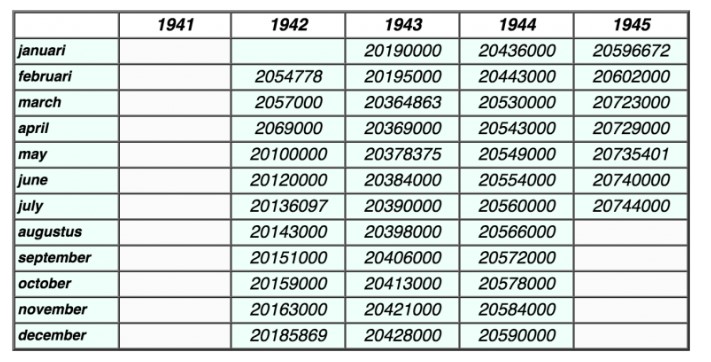
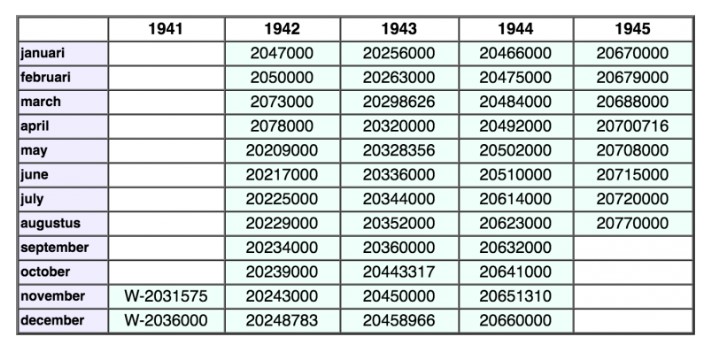
The other method is by its hood number (if correctly applied). These numbers were originally painted in a ‘blue drab’ color when they left the factory. However, in the field, they were often repainted in white, in any style preferred by the motor pool or field units.
From the beginning of 1945, jeeps came out of the factory with white letters instead of blue drab.
Approximate Hood numbers Ford GPW
Approximate hood numbers Willys MB
Engine
Wartime engines for both the Willys MB and Ford GPW are the ‘Willys L134’ (nickname Go Devil) engine. There is a lot of information about these engines, but we will try to keep it as simple as possible and focus on the basics.
The L134 was produced during wartime and post-war, so how can you identify a wartime engine?
- Straight inline 4 flathead engine
- 60 HP (at 4000 rpm)
- 2,199 cc
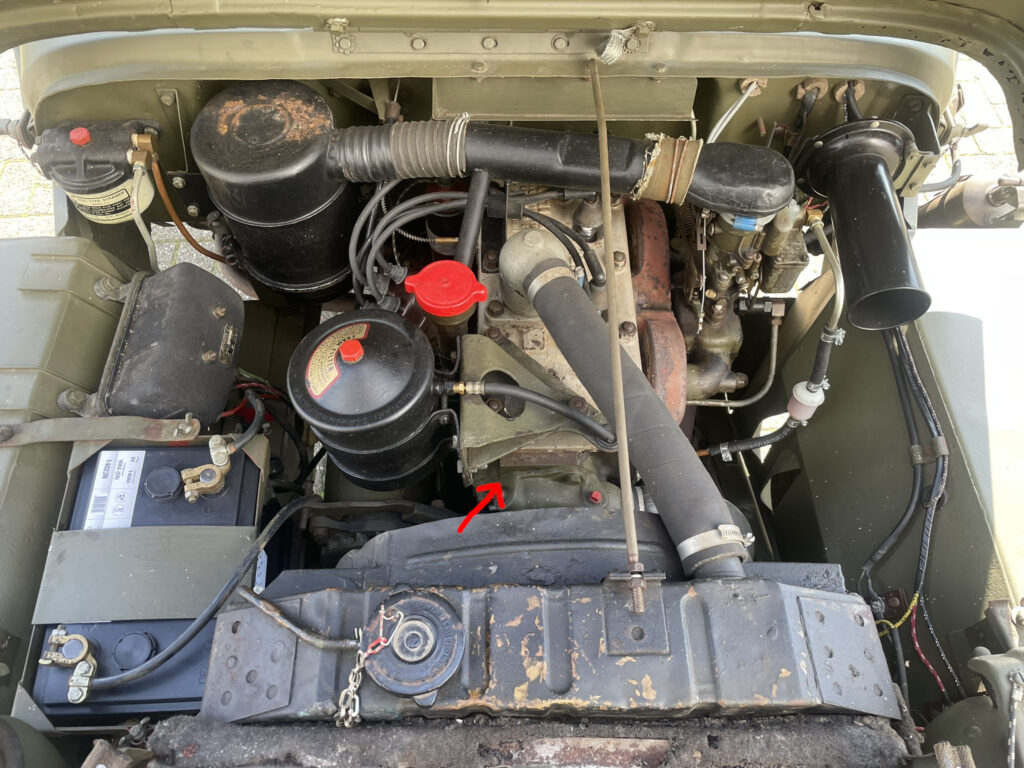
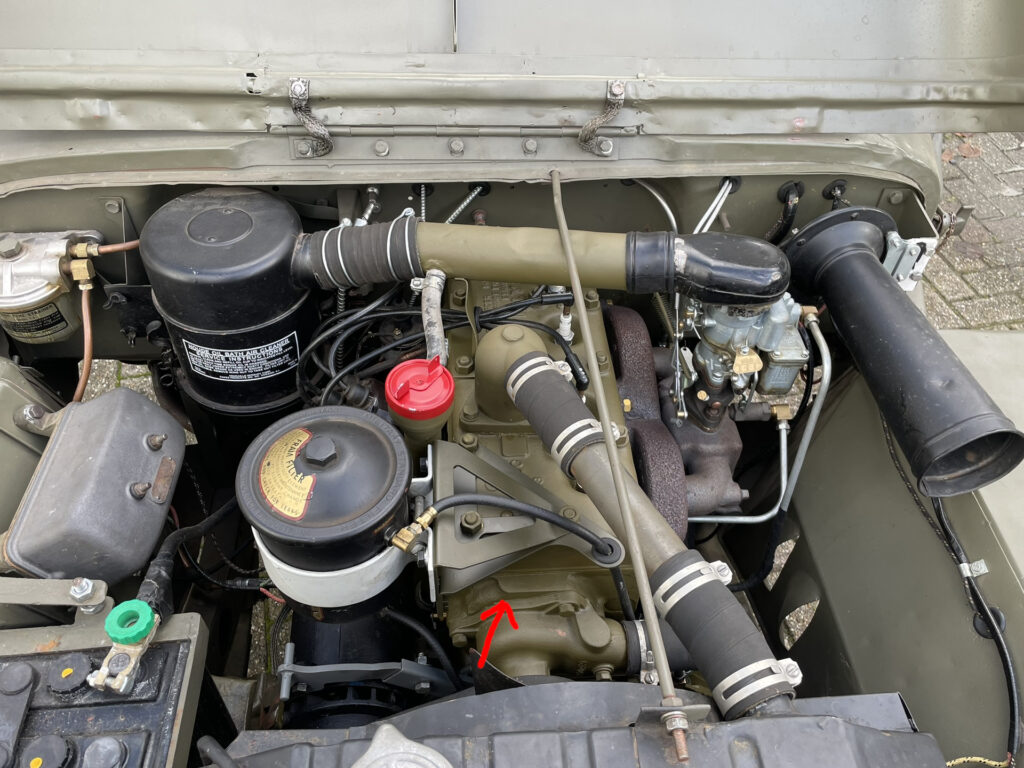
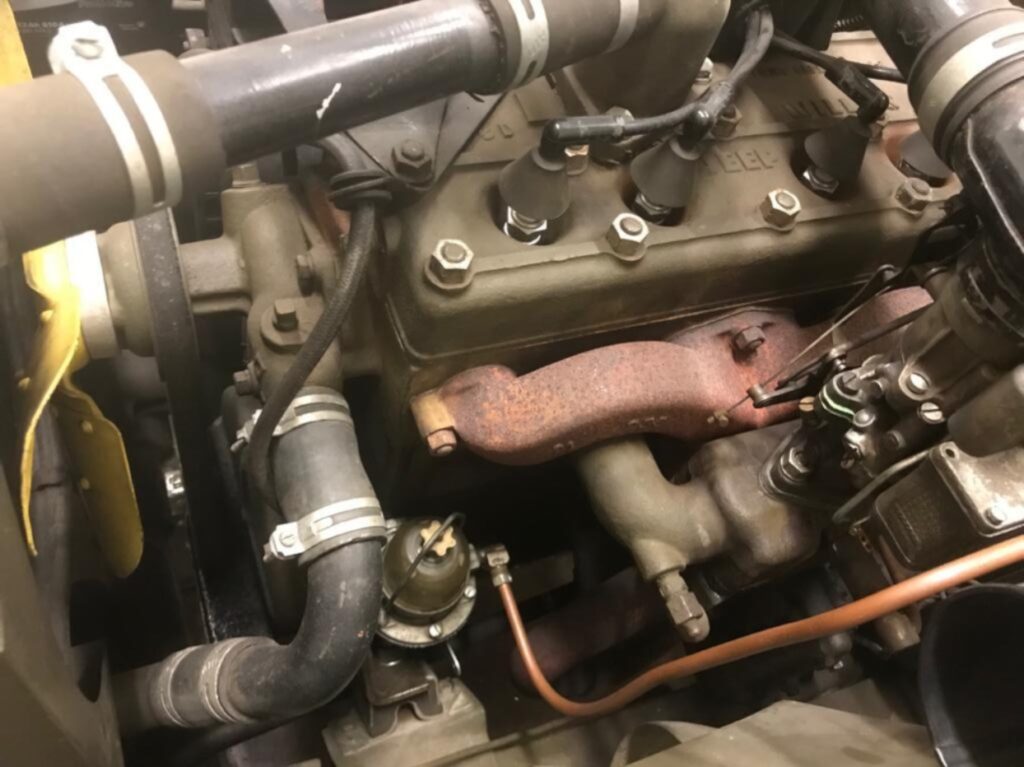
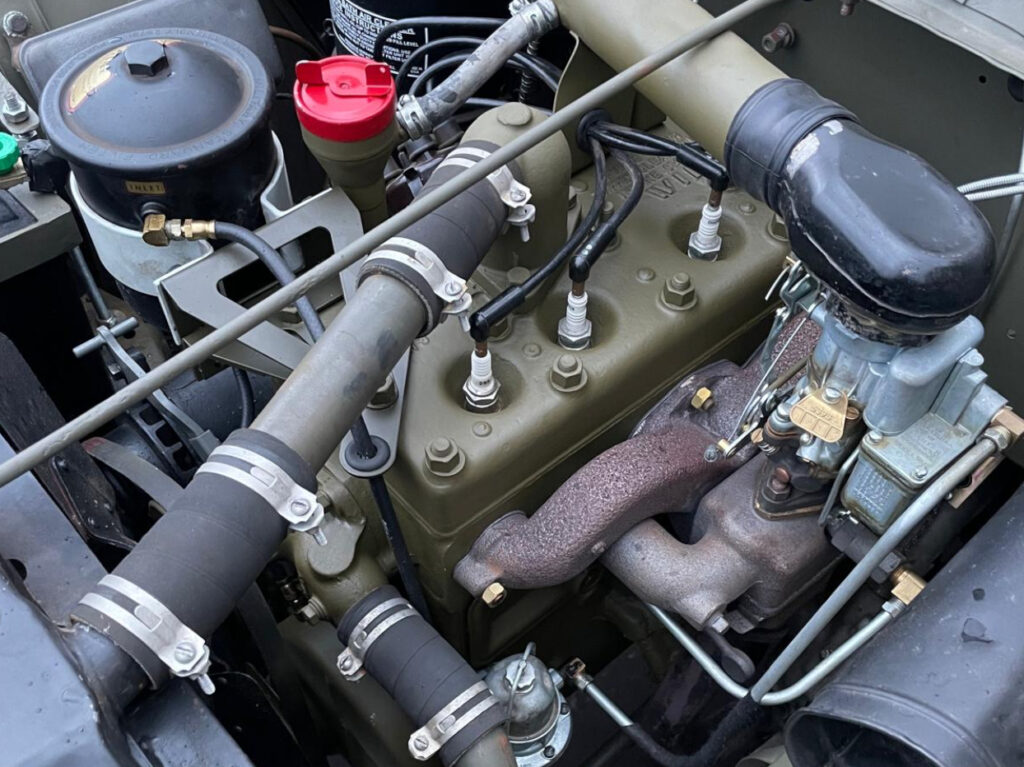
The first giveaway for Identifying a wartime engine from a post-war engine is the water pump at the front of the engine. The wartime engine has a round top, while the post-war engine has a flat top.
See pictures below.
Left picture, post war engine.
Notice the flat top of the waterpump
Right picture, war time engine.
Notice the round top of the waterpump
Another good indicator is the post-war engine head.
Of course, an engine head can be replaced on a wartime engine, which happens often.
Do not let yourself be fooled by a replaced engine head!
Left picture, post war engine head.
Notice the extra cooling ribs at top of the head.
Right picture, wartime engine head.
Engine numbers
Wartime engine serial number/markings can also be a good indicator of a correct wartime engine.
A Ford engine can match the chassis/frame number and the data plates on the dashboard.
First, the Ford engine was stamped, and shortly after, the chassis was stamped with the same number as the engine.
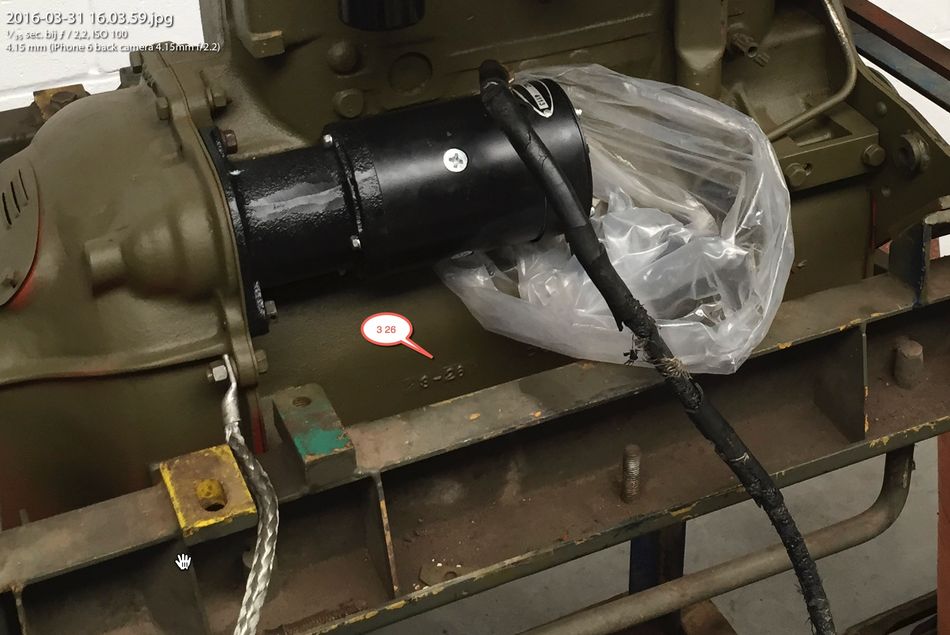
– The manufacture date of the Willys MB engine was stamped into the bottom flange of the engine block, near the rear end. You will have to remove the oil pan and clean the bottom flange to read the machining date.
You will have to remove the oil pan and clean the bottem flange to read the machining date.
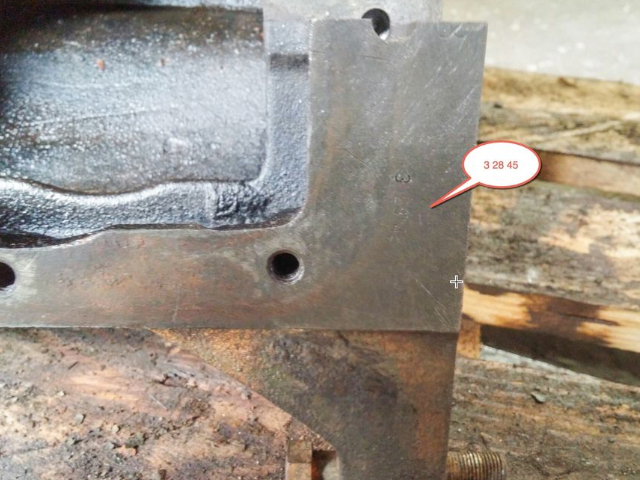
The casting date will be found at the right back side of the engine, next to the casting number.(see below)
– There are blocks without a serial number (unmarked pad); these are often motor pool replacement blocks or crated engines added post-war (we will never know)
Engine number location
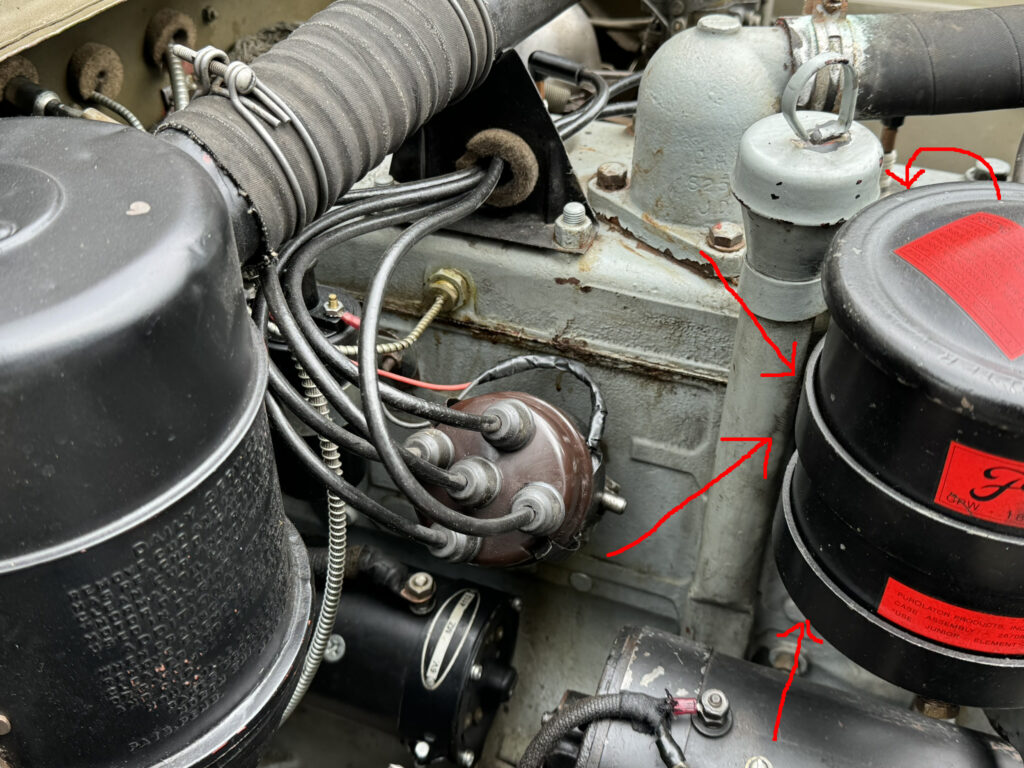
The engine number can be found behind the oil filter on the right side of the engine.
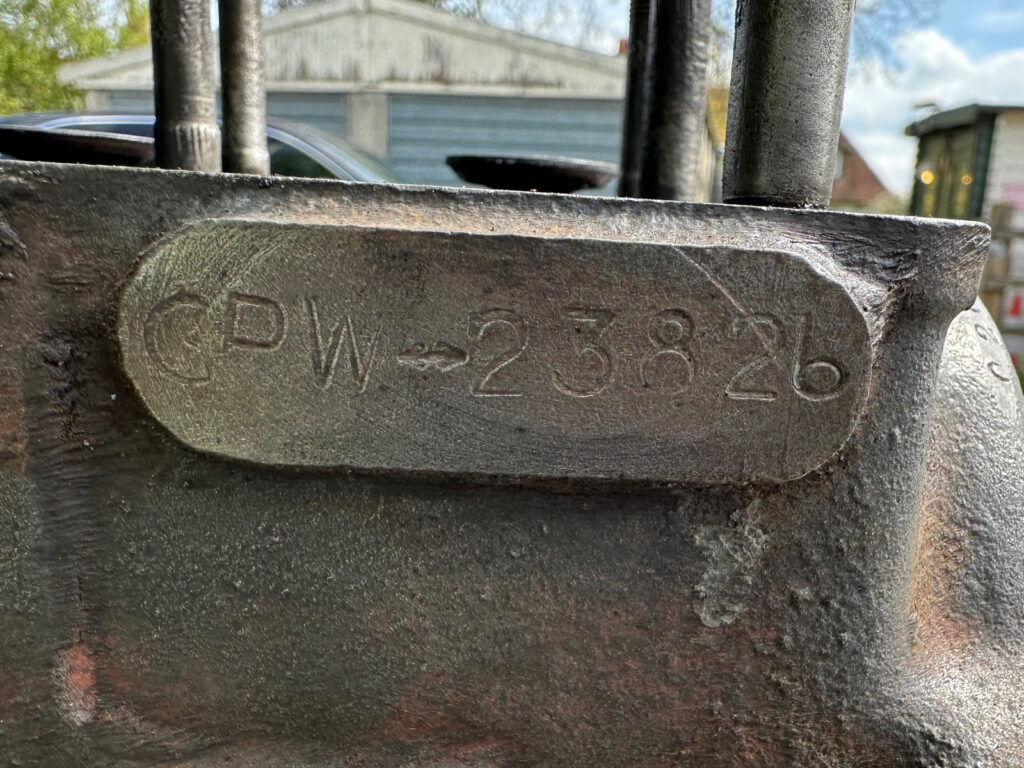
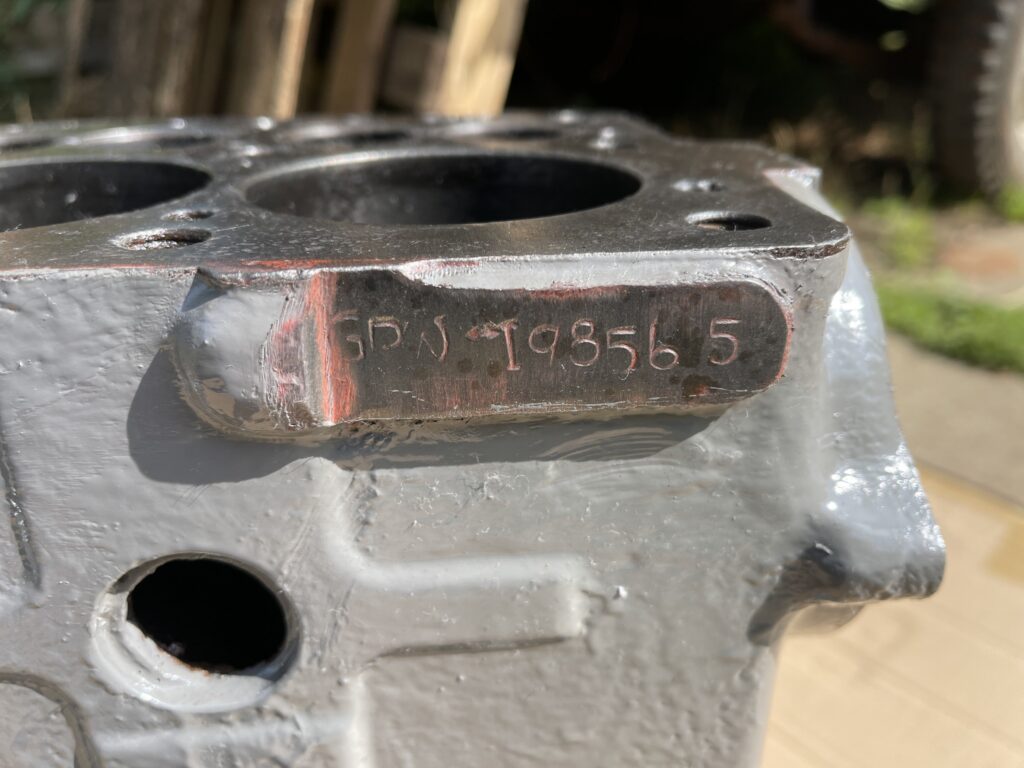
A correct Ford engine has the marking ‘GPW-xxxxx,’
while a Willys MB engine has the marking ‘MB-xxxxxxx.’
The correct color for an early GPW engine is cold slate gray, while a later Ford GPW engine has a lighter, warmer shade of gray.
The correct color for a Willys MB engine is OD green; some are a bit darker than the OD used on the body of the jeep.
Of course, there were more types of greens used during the five years of war.
Ford GPW Engine number marking
Willys MB engine number marking
The top picture shows an early (before August 1942) Ford GPW engine, featuring a complete flat serial pad.
The letter “I” was used instead of the number “1” between 1943 and 1944.
The picture below shows a later engine block (post-August 1942) with a “step” on the left side.
The top picture shows an early war (February 1942) Willys MB engine.
An easy thumb rule to determine your engine manufacture date is to take the engine number, subtract a little, and then compare it to the Willys MB chassis date.
The picture below shows a late wartime (1945) Willys MB engine block.
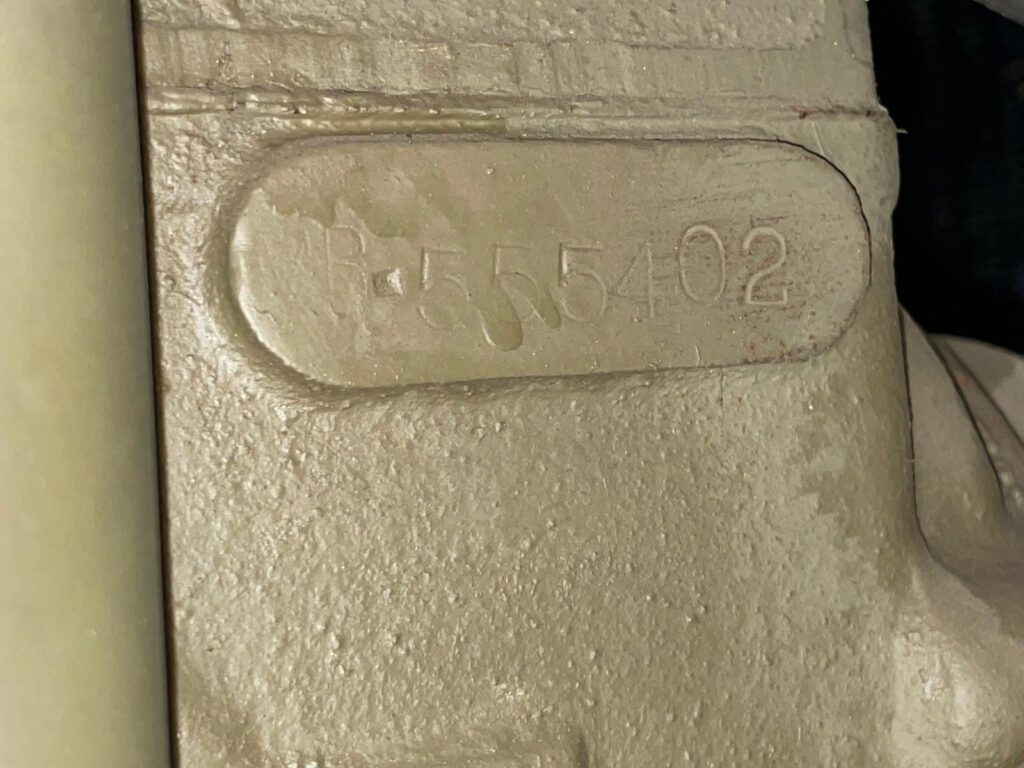
Engine casting numbers
Like everything in life, engine serial numbers can be faked, most often with Ford GPW engines to make the engine match the chassis and data plates. One thing that cannot be faked is the engine casting numbers. These numbers are laid inside the mold during the casting process.
The molding date can be found at the bottom right part, consisting of one number.
You can find the casting number on the right side, at the bottom of the engine, just above the oil pan.
Ford GPW engine casting number
Willys MB engine casting number
Ford GPW engines were produced for the first time on January 15, 1942, at the Rouge plant motor building.
Very early production Ford GPWs used a Willys MB (Wilson Foundry) engine.
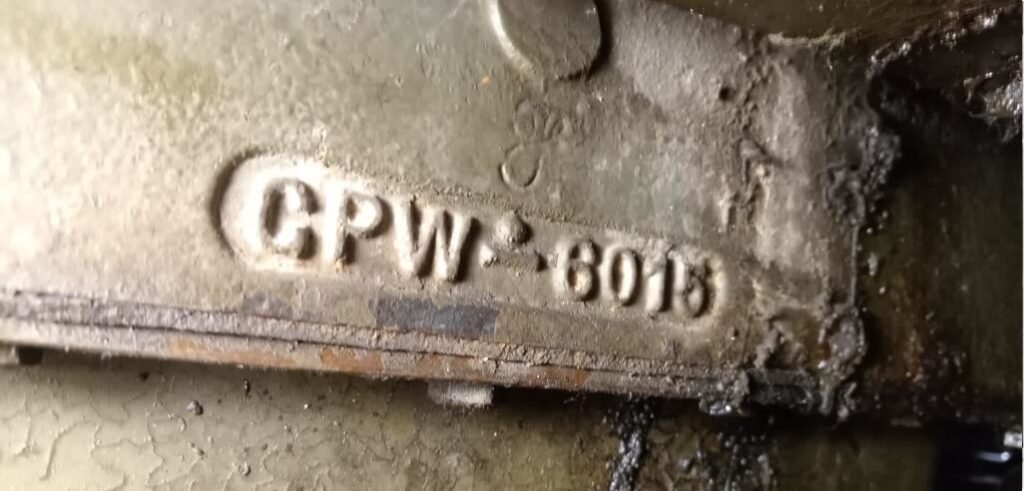
Ford GPW casting numbers can be found in a straight line below the ignition, at the bottom right of the engine.
The correct casting number for a Ford engine is ‘GPW-6015.’
For dating your GPW engine:
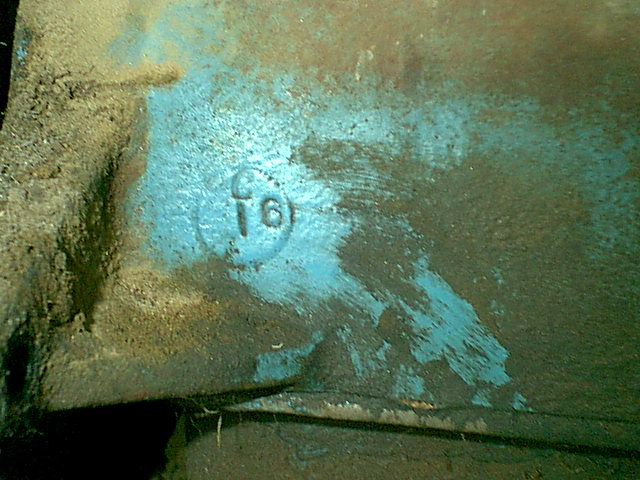
Early Ford GPW engines had a casting date code located on the lower rear corner of the right side of the engine block, within a small circle containing stamped letters and numbers. The code includes a letter (A for January to M for December)(I was skipped) and two numbers for the day.
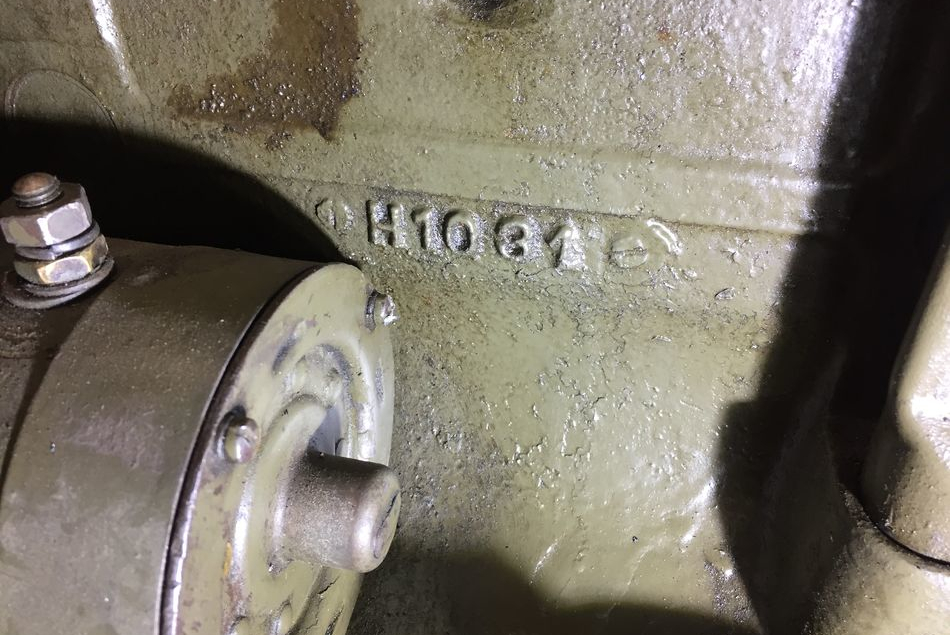
Around August 1943, engine casting dates were relocated to below the distributor. The date code started with a letter (A for January to M for December), followed by the day and a middle digit for the year. So, K941 would indicate K (October), day 9, year 1944. The final digit (1 in this case) is unknown and might indicate a mold or line number.
Engines for the Willys MB were made by the Wilson Foundry.
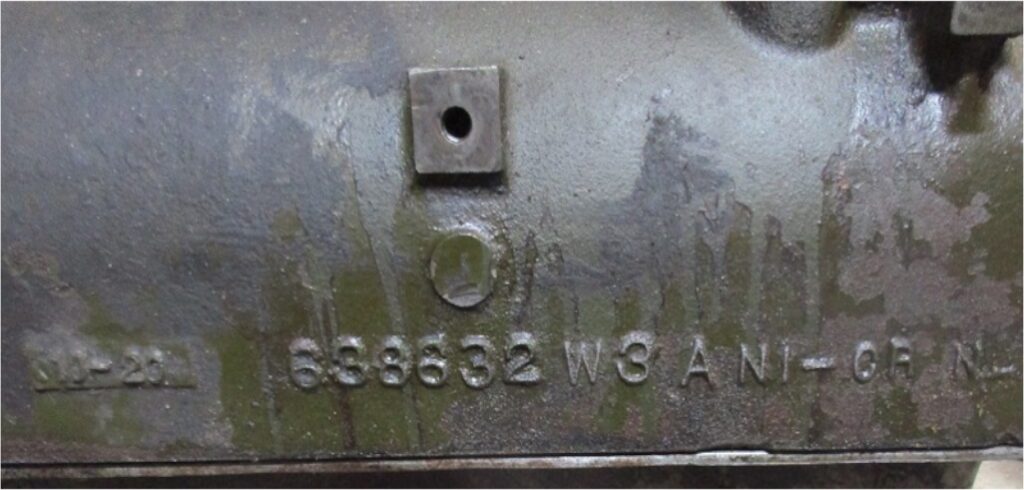
An example of the casting number, as seen in the pictures below, can be:
638632 W3 A NI-CR
Often, there is a mold date on the left side of the 638632.
The 638632 indicates the Willys part number for the bare block. The W represents Wilson Foundry, the 3 indicates which mold station made the block, and NI-CR refers to a Nickel Chromium alloy.
Wartime (most likely) mold designations include:
W1
W2
W3
W4
W5
W6
And again, if you want to be sure about the manufacture date, remove the oil pan and check the flange at the rear for a date.
Picture below: the Ford GPW casting number ‘GPW- 6015’
Picture below: The Willys MB engine casting number
Picture above: Molding date of the Ford GPW engine (post-August 1943), located just below the ignition and behind the starter.
Picture below: Molding date of the Ford GPW engine (pre-August 1943)
Picture above: The mold date of a Willys MB engine.
Picture below: The date on the flange of a Willys MB engine.
Bodies
Jeep bodies is a complex subject, and we will try to keep it as simple as possible.
Over the years during the war, many modifications were made to the bodies, and even post-war bodies were created for the Hotchkiss jeep (French) and CJ.
Ford produced their own bodies until mid-war, while the Willys MB used bodies made by the American Central Manufacturing Company (ACM)
Ford made bodies did not contain a body number, ACM bodies did contain a body number at the gussets.
It is a combination of details that reveals which body is which; please see some details below.
Ford GPW
Willys MB
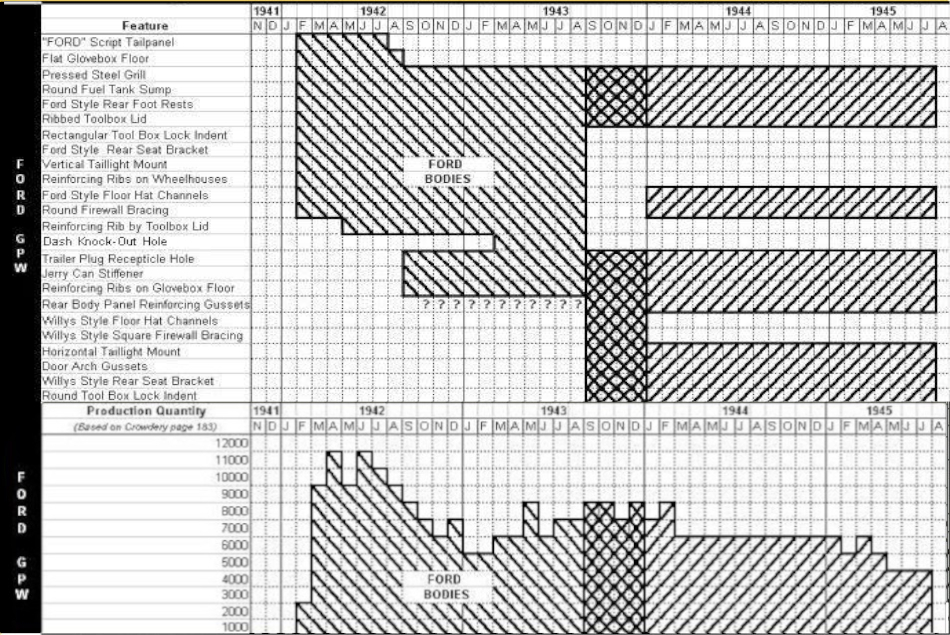
- Ford GPW used their own made body from February 1942 until September 1943.
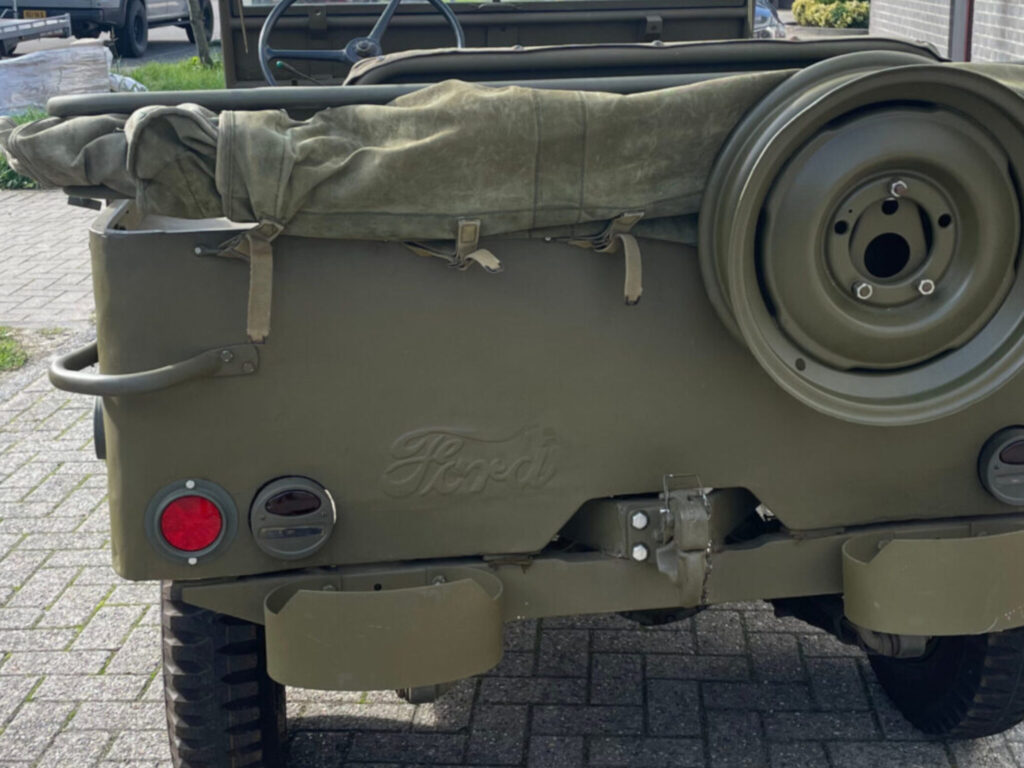
- Between February 1942 and July 1942, Ford had the script panel at the rear of the jeep.
- In September 1942, multiple changes were made to the Ford-produced body.
- From September 1943 until the end of December 1943, Ford used the ACM Type 1 body.
- From January 1944 until the end of the war, Ford used the ACM Type 2 body (composite)
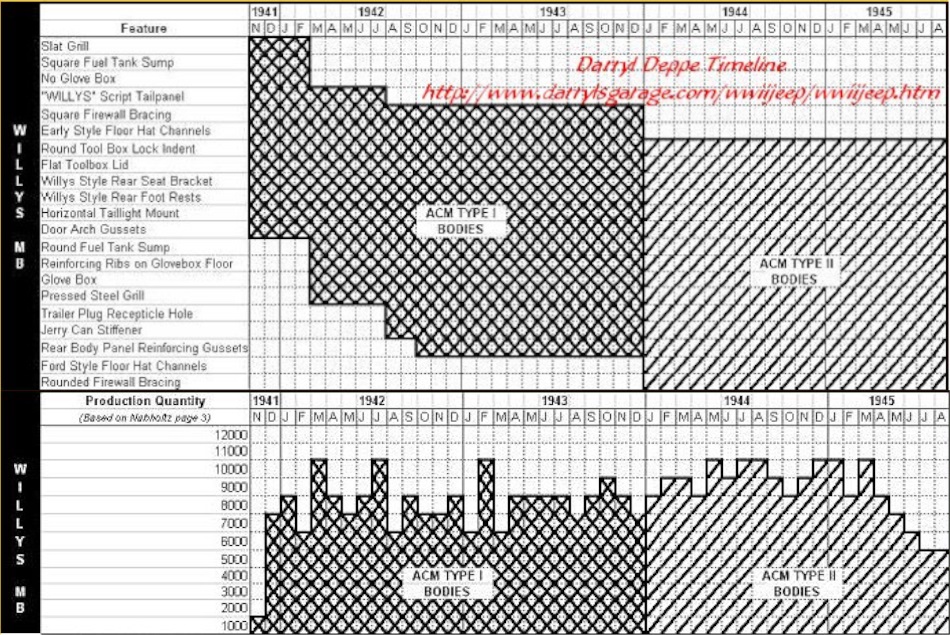
Willys MB used the ACM Type 1 body from November 1941 until the end of December 1943.
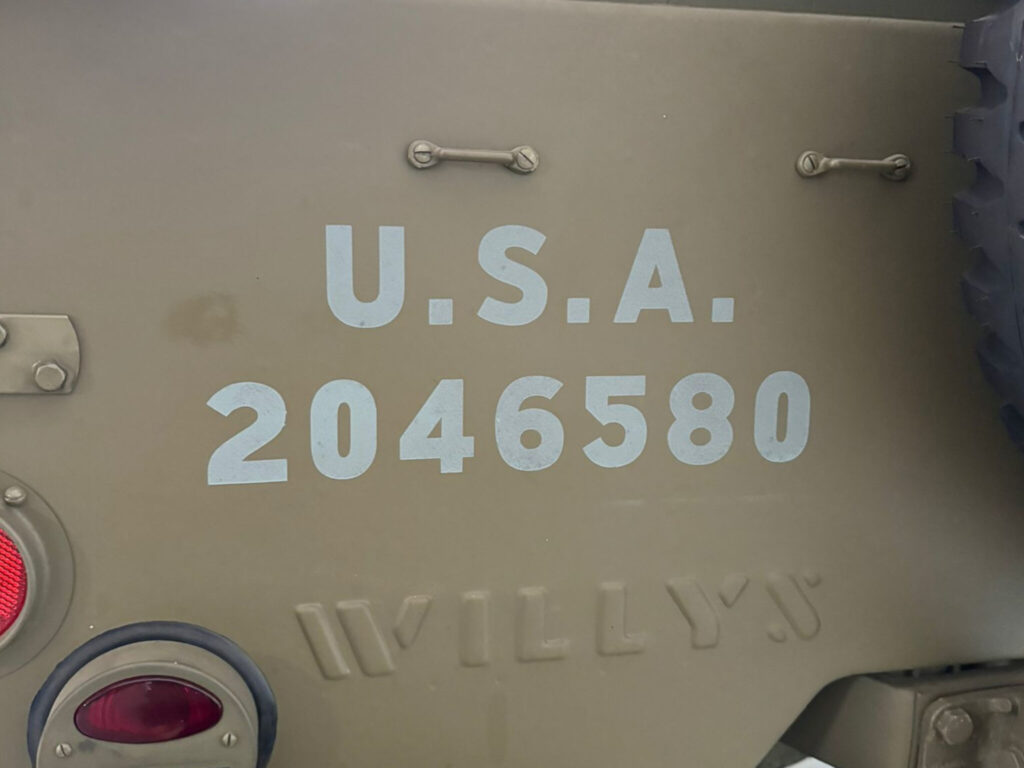
From November 1941 until February 1942, the slat grill jeep was produced, featuring a different grill and a Willys script rear panel.
From January 1944 until the end of the war, Willys MB used the ACM Type 2 (composite) body.
Ford Made bodies
Ford made their bodies from the end of 1941 until the end of August 1943. Ford bodies do not have a body number at the gussets.
Here are some features to recognize the Ford-produced bodies (pictures below):
- Rectangular toolbox locks
- Reinforced ribs at the wheelhouse
- Ford gussets (used for ACM Type 2 as well)
Some features were used by Ford on both the Ford bodies and the ACM Type 2 bodies. Here are some examples:
- Ribbed toolbox lid
- Ford-style rear footrests
- 11 section hinge for the hood with F mark
ACM Type 1 bodies
For the Willys MB, bodies from the American Central Manufacturing Company were used.
The first type was referred to as the ACM Type 1.
- The body was used by Ford between September 1943 and December 1943.
- The body was used for the Willys MB between November 1941 and December 1943 (with changes over the years).
Some features to recognize the ACM Type 1 body (pictures below):
- Different bottom side of the body; hat channels are different from Ford-produced bodies and ACM Type 2 bodies
- Different gussets then Ford body or type 2 body. body number can be found at the front of the gussets
.
ACM Type 2 bodies (Composite)
Ford and Willys Overland used the best features of both bodies and started producing the ACM Type 2 body (the composite). Many features from the Ford body were incorporated into this design.
Some features to recognize this body include:
-
Ford-style hat channels at the bottom side of the body, but without the rectangular toolbox locks; this is the biggest indicator that it is an ACM Type 2 body.
-
Ford-style gussets, which were used in Ford-made bodies earlier in the war, but with a body number stamped on the side or front of the gusset.
ACM(American Central Manufacturing company) Body numbers
Ford GPW Body Datasheet
Willys MB Body datasheet
Ford Script body
Willys MB ‘Slatgrill’ script Body
Ford Body
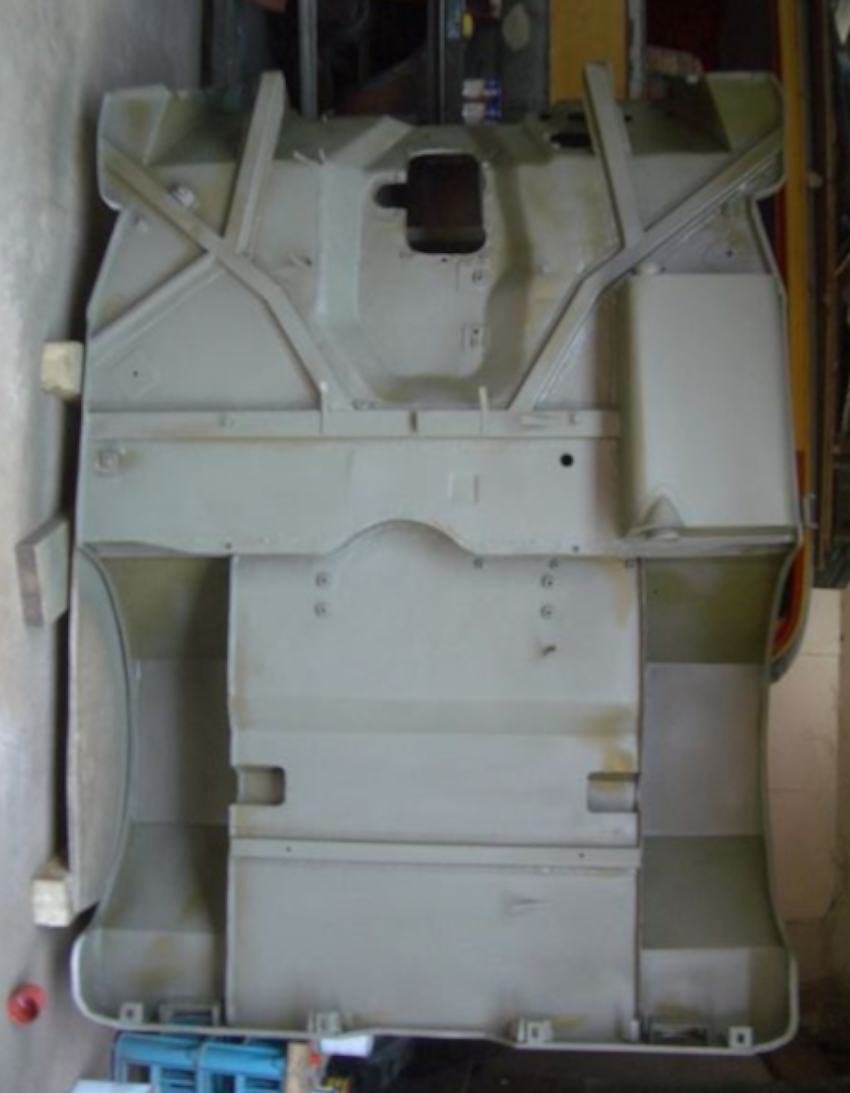
Picture below: An example of a Ford-made body.
Notice the rectangular toolbox and the reinforcement rib at the wheelhouse, indicating that this body was made between March 1942 and August 1943.
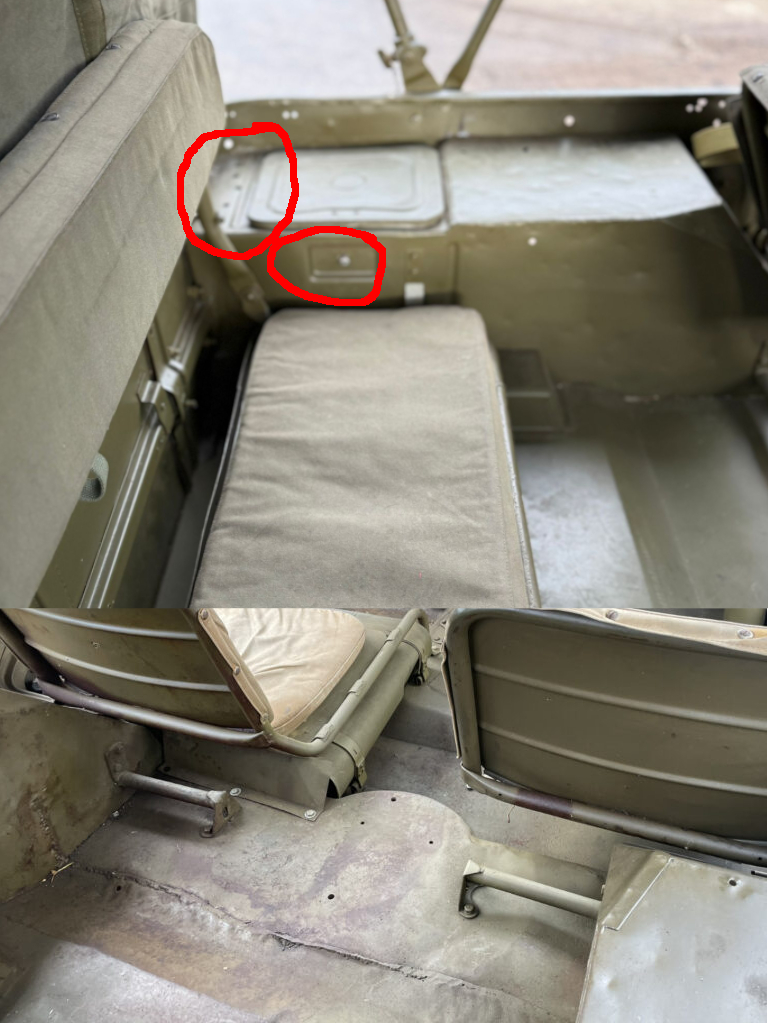
Picture Below: The Ford gussets,
which can be found on the engine side of the firewall. More detailed pictures are below. Ford did not have a body number added to their gussets.
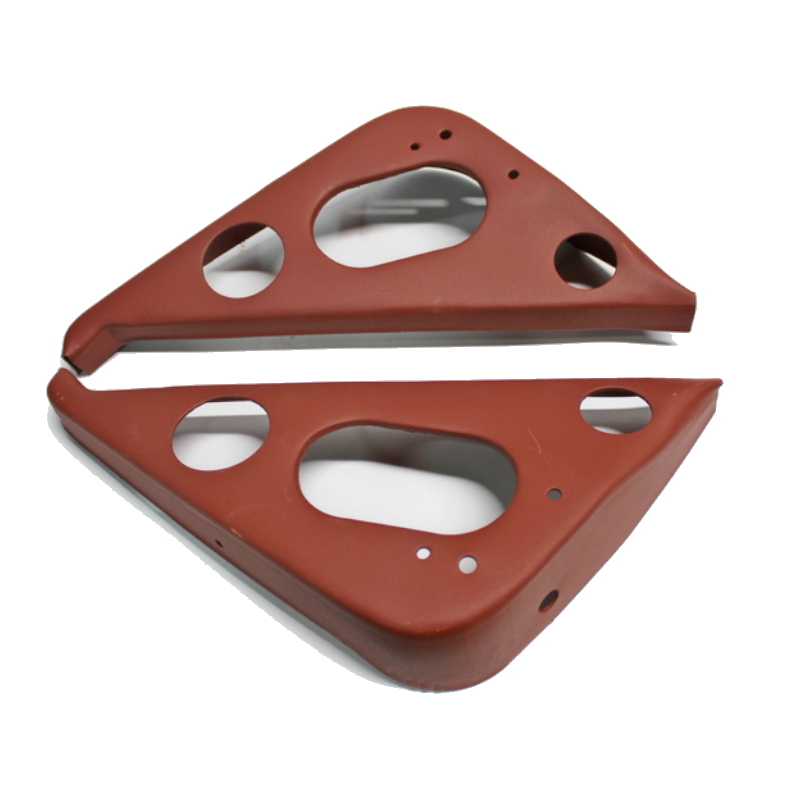
Picture below: The bottom side of the Ford body.You can see the difference between the Ford-made body and the ACM Type 1 body. The underside of the Ford body is almost similar to the ACM Type 2 body.
ACM Type 1 body
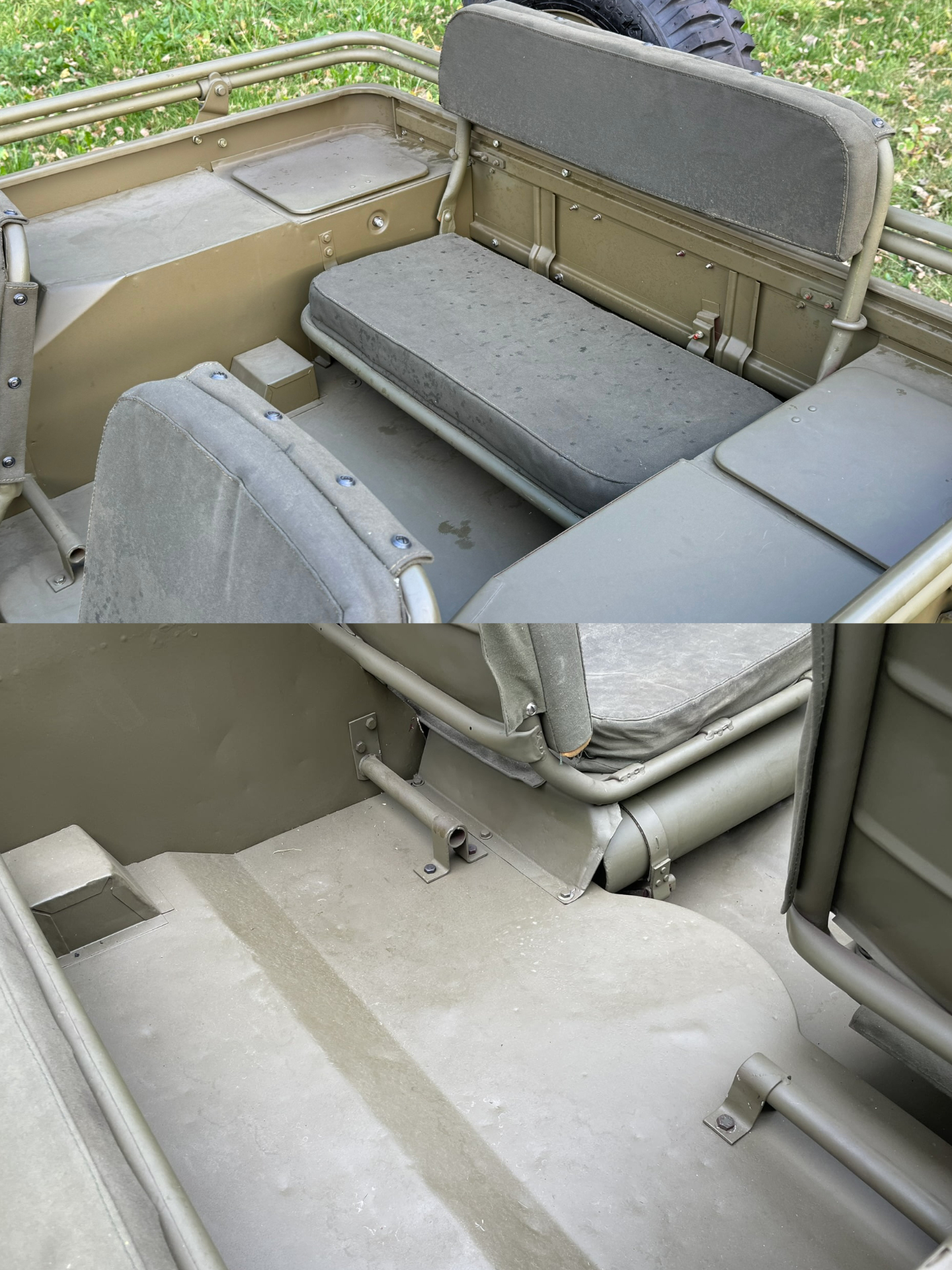
Picture below: An example of an ACM Type 1 body, featuring a Willys toolbox lid and Willys-style footrests.
In this case, there are no rear body panel reinforcing gussets, which you can see in the right picture.
Picture below: The ACM Type 1 gussets,
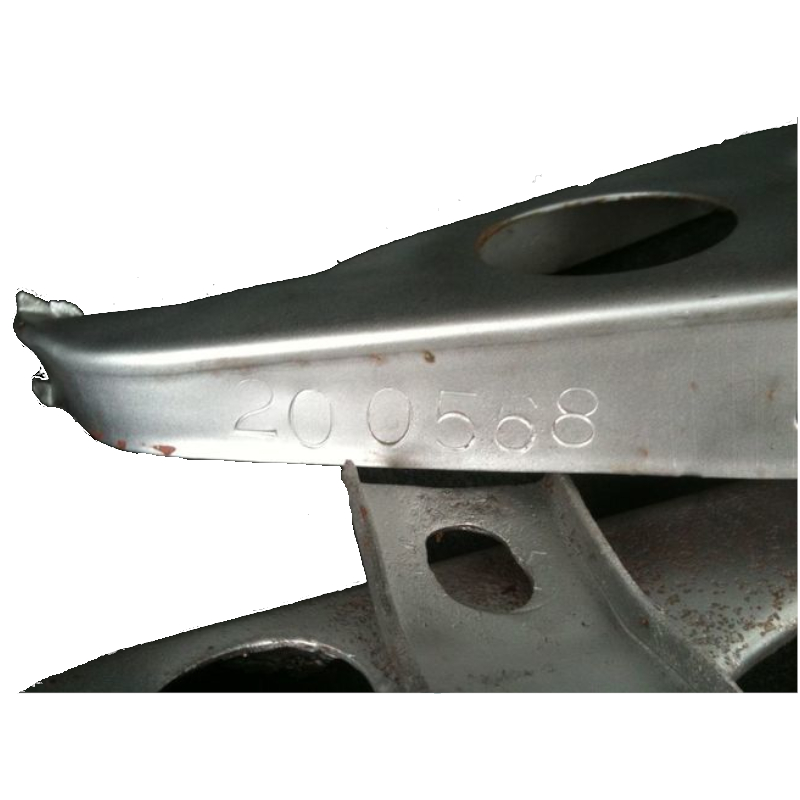
which can be found on the engine side of the firewall. More detailed pictures are below. The body number can be found on the side of the driver’s side gusset.
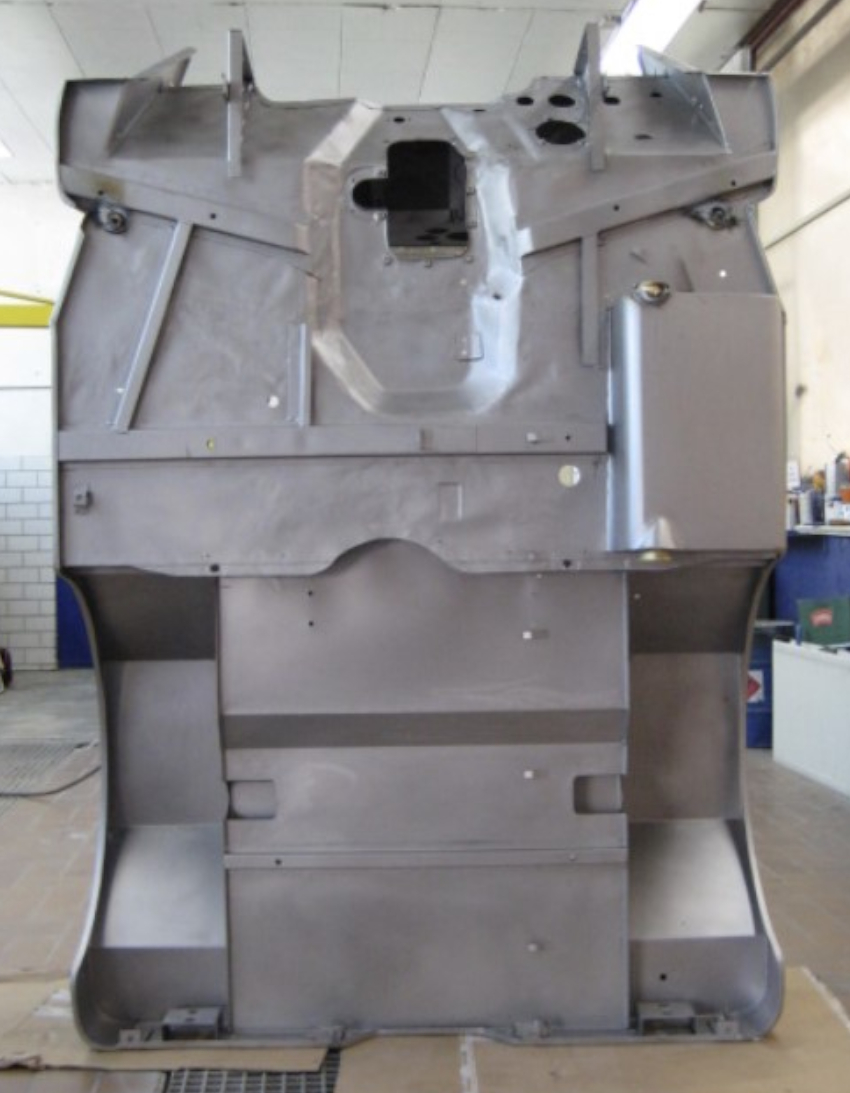
Picture below: The bottom side of the ACM Type 1 body.
You can clearly see the difference in hat channels compared to the Ford and ACM Type 2 bodies.
ACM Type 2 body(Composite)
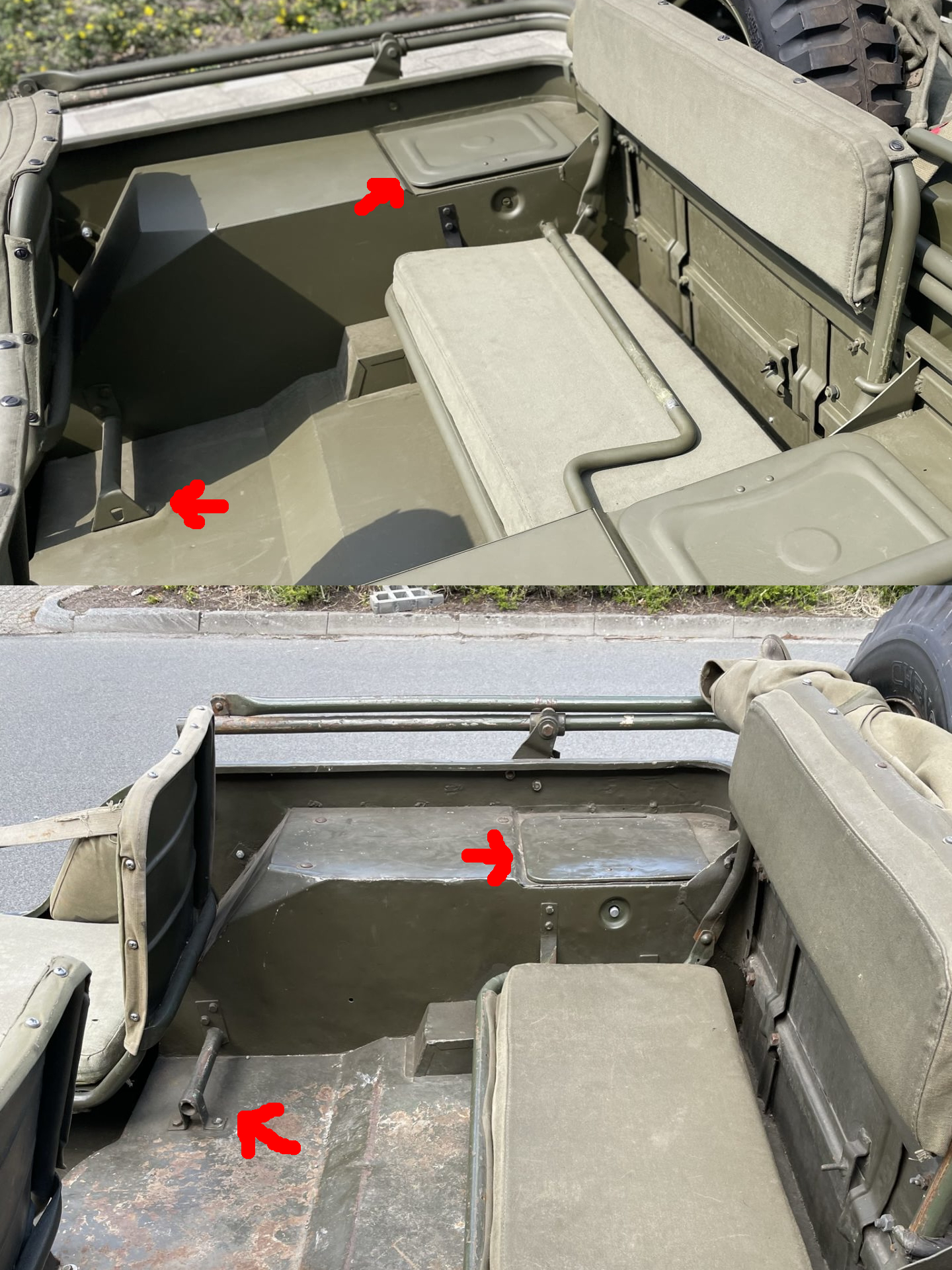
Picture Below: An ACM Type 2 body.
Notice the round toolbox lock and the support from the wheelhouse to the rear panel.
For the Ford GPW, there is a ribbed toolbox lid and Ford-style footrests. For the Willys MB, there is a flat toolbox lid and Willys MB-style footrests.
Picture below: The ACM Type 2 gussets,
which can be found on the engine side of the firewall. More detailed pictures are below. The body number can be found at the front of the driver’s side gusset.
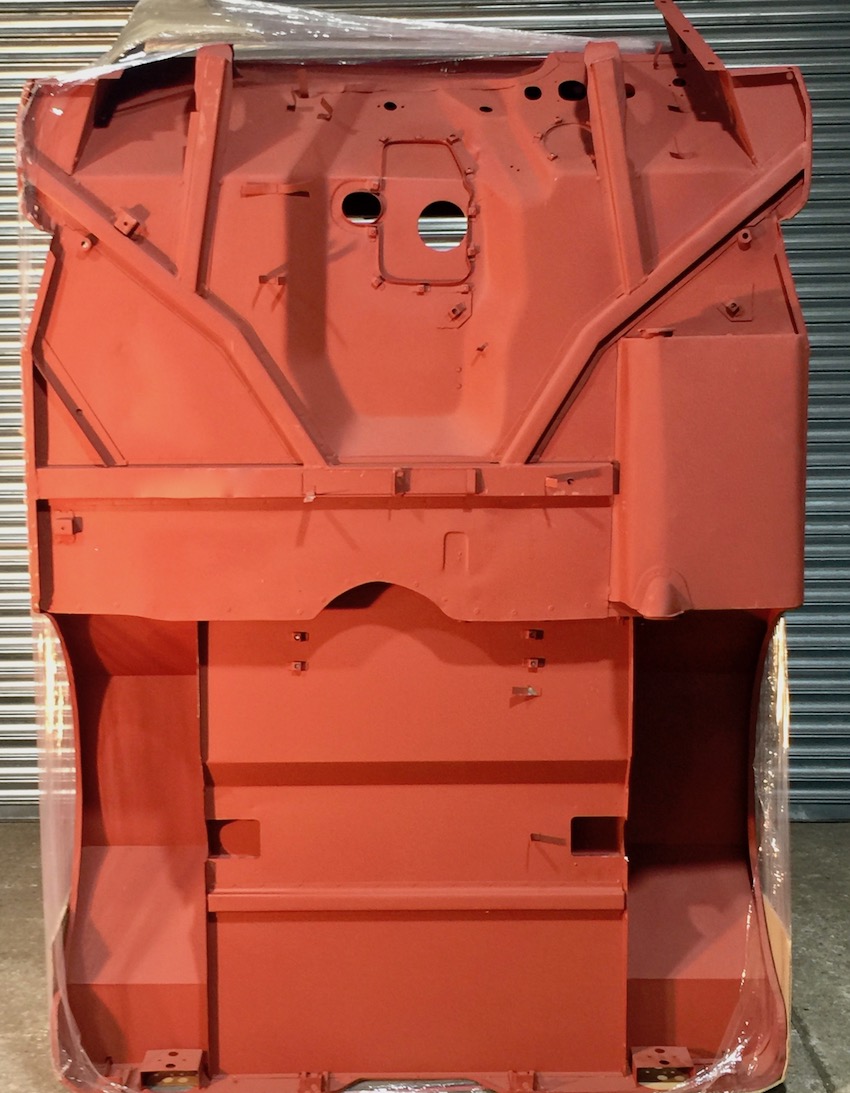
Picture below: The bottom side of the ACM Type 2 body.
The underside is almost the same as the Ford-produced body
Body Details
Below, We will show some more details for a Ford or Willys MB body
Ford GPW Details
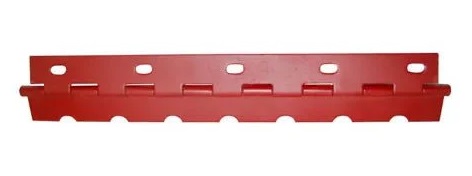
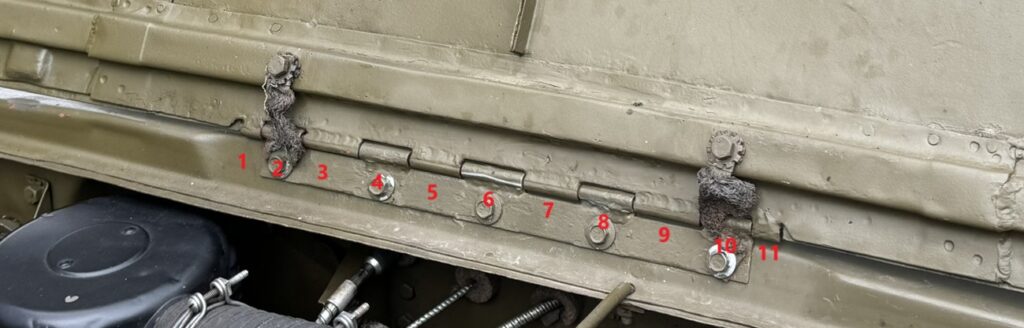
Ford used an 11-section hinge for their hoods, for their own produced bodies and the ACM Type 2 bodies.
The hinge was marked with an “F” for Ford.
Willys MB details
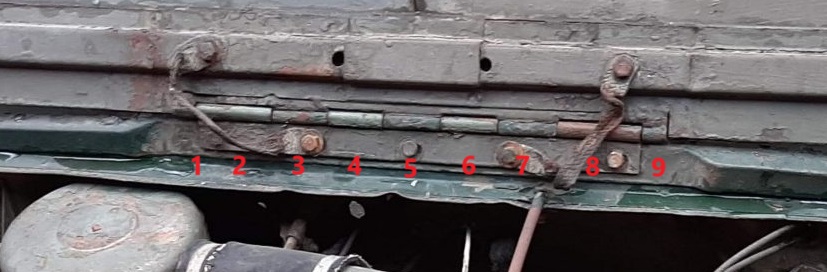
For the Willys MB, a 9-section hinge was used. After December 1943, the 11-section hinge was used, but without the “F” mark.
Post war example
Picture On the left: A post-war example used for the CJ Jeep, Hotchkiss, etc. There are examples with 13 and 15 segments, and these are post-war.
Ford body detail
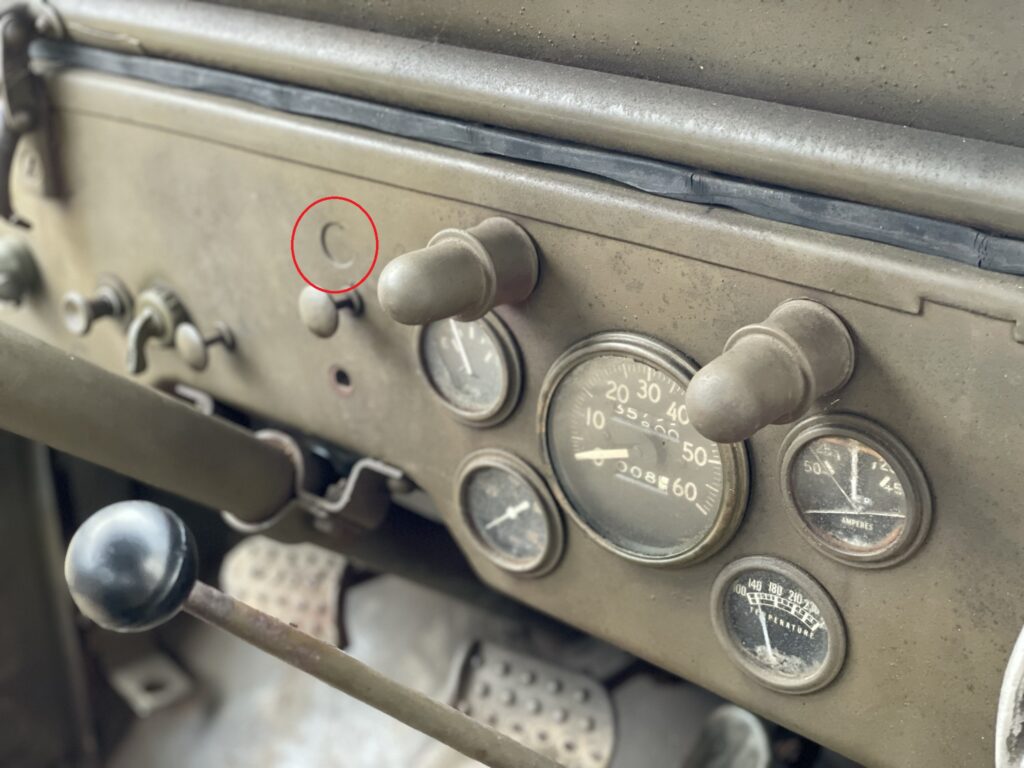
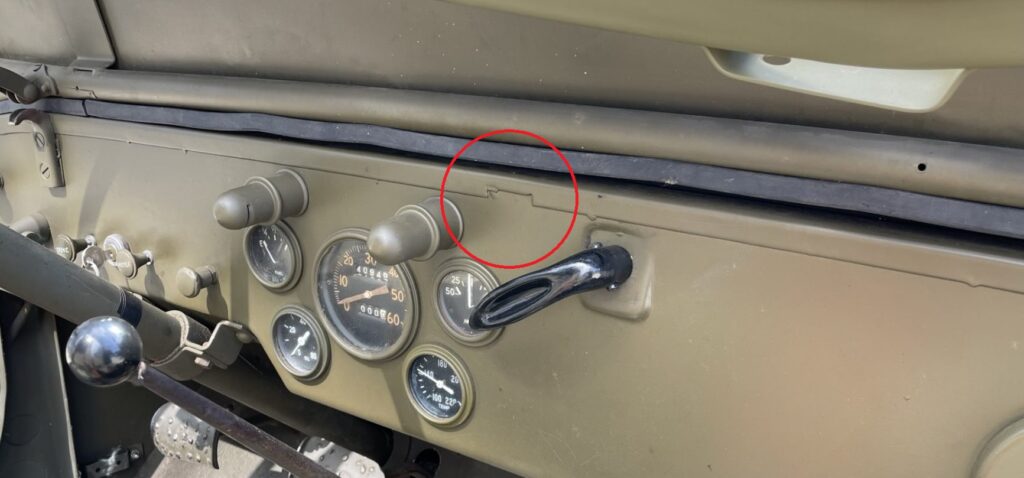
Picture: A nice detail to recognize a Ford body is the Ford dash knock-out hole.
This feature was used between March 1943 and the end of August 1943.
The hole is for the add-on winterization kit’s hand primer pump, and it was only on Ford-produced tubs.
Wartime production
Post war production
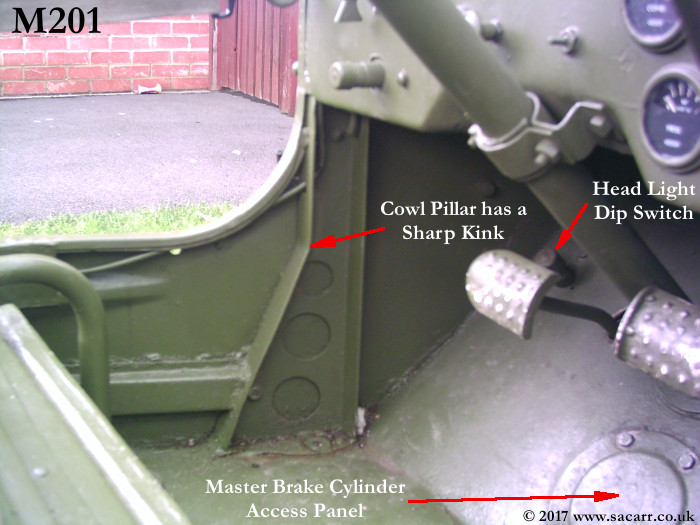
Picture above, A indicator for a original wartime body.
Picture below, correct bending for a wartime cowl pillar.
Picture above, post war M201 body, almost looks like a wartime jeep but small details are different.
Picture below, post war M2021 body, cowl pillar has a sharp kink.
Leafsprings
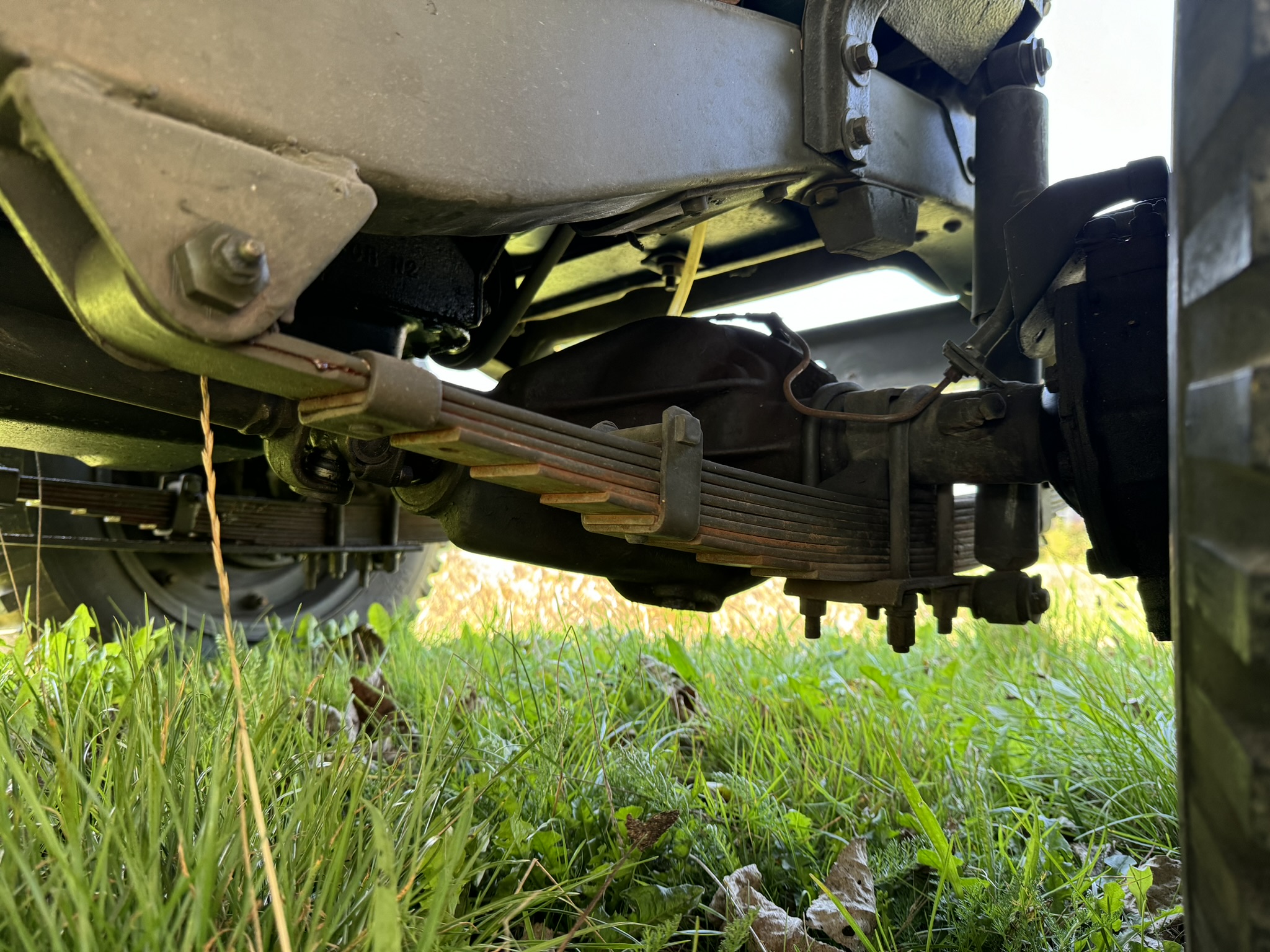
Ford GPW Springs
The Ford GPW had 8 leaves at the front and 9 at the rear.
The clamp was a U shape clamp with 1 bolt through the top side
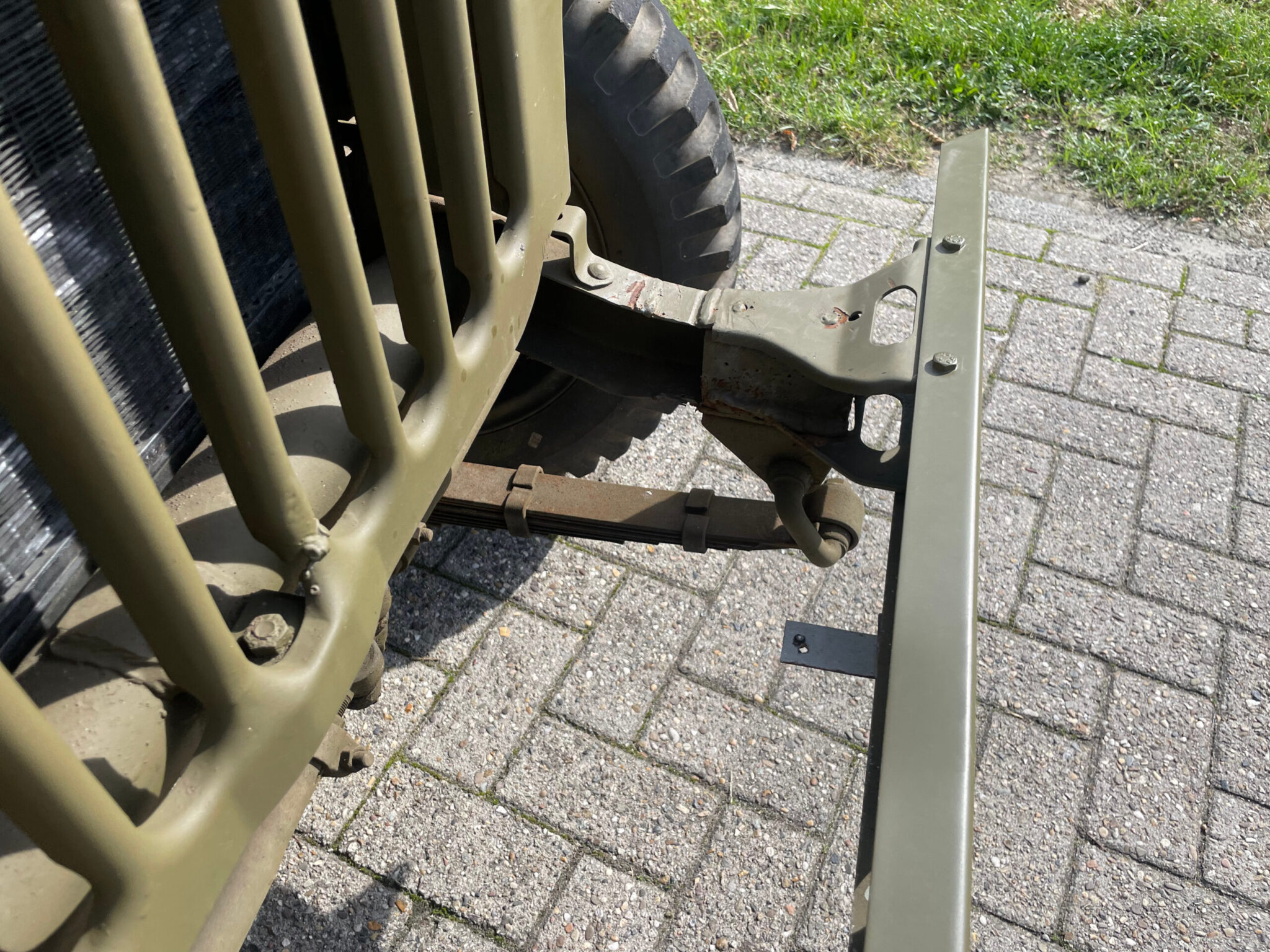
Willys MB Springs
The Willys MB had 8 leaves at the front and 9 at the rear. The clamps were 1 piece of steel, crimped at the top side of the spring

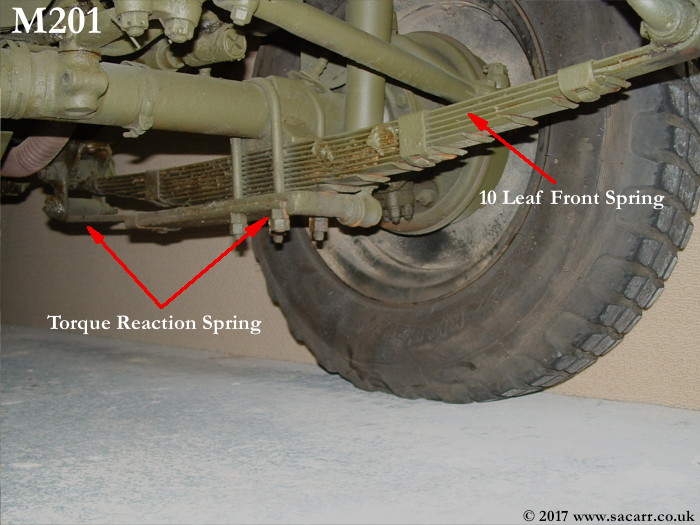
Post war M201 Springs
Post war M201 Springs were made with 10 leave on the front spring and 11 leaves on the rear springs.
The clamps were one piece of steel clip crimped on the bottom side of the spring.
Transmission
The correct transmission for a Ford GPW or Willys MB is a T-84 gearbox.
Post war jeeps used the T-90 Gearbox.
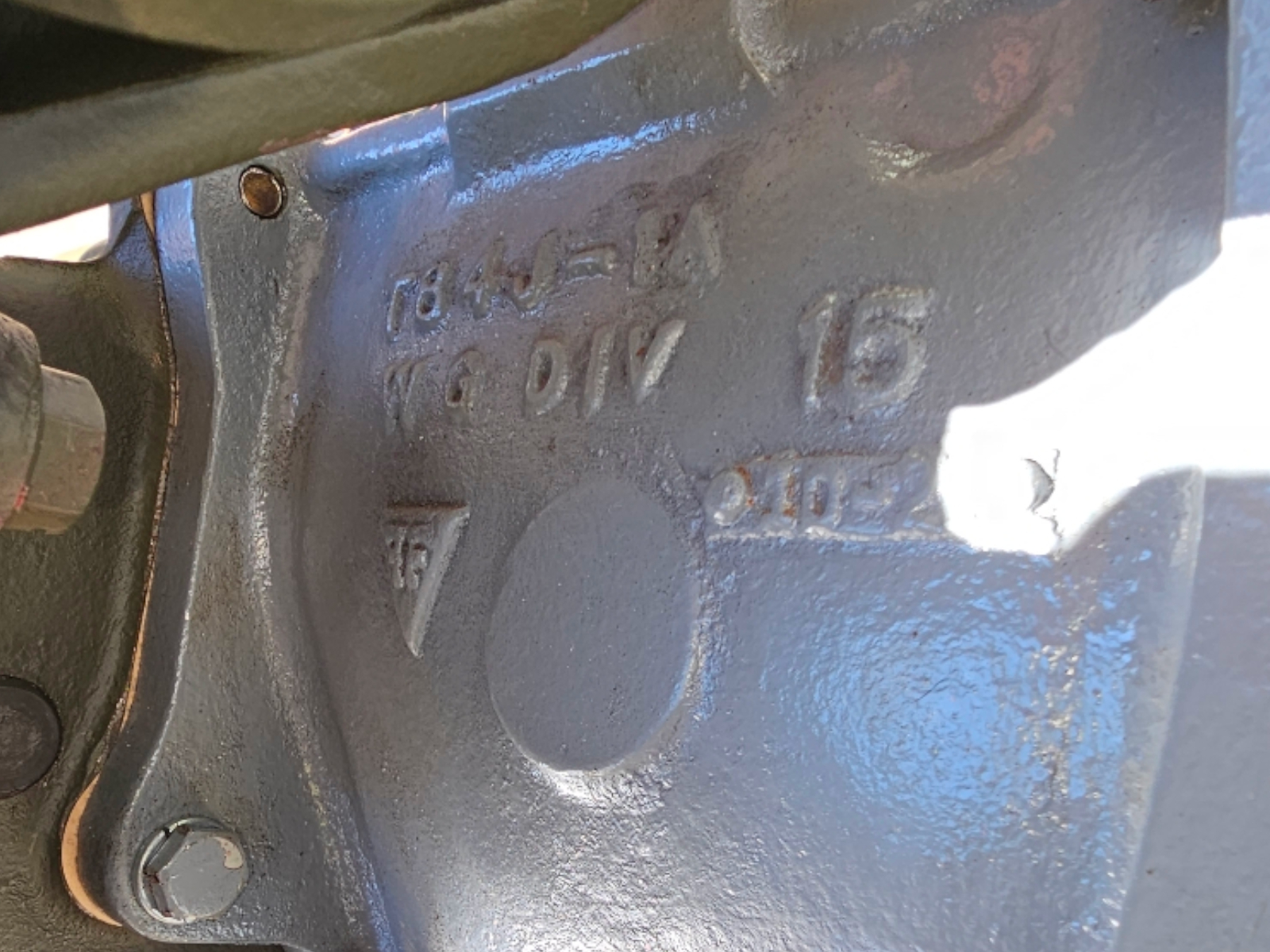
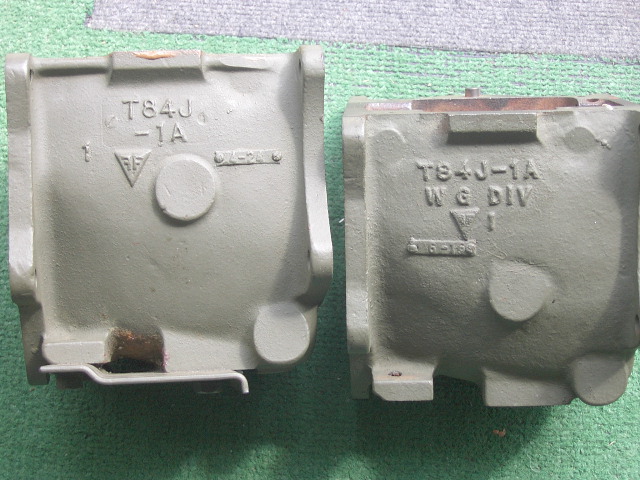
The same as the engine , the cases for the transmission were molded at different molt stations and all marked differently.
Ford GPW Transmission
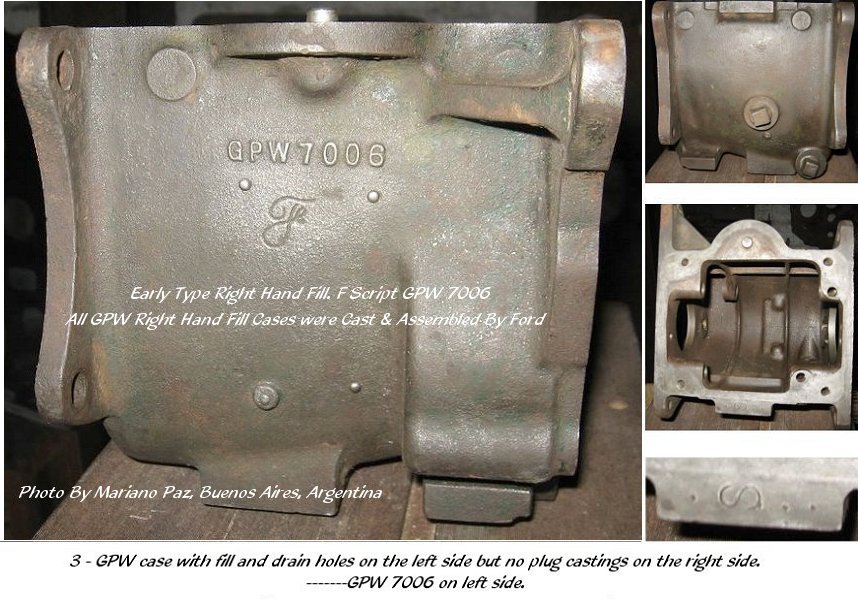
Ford had 4 types of T-84 cases used during the production periode of the Ford GPW, but only 3 were Ford produced and GPW marked.
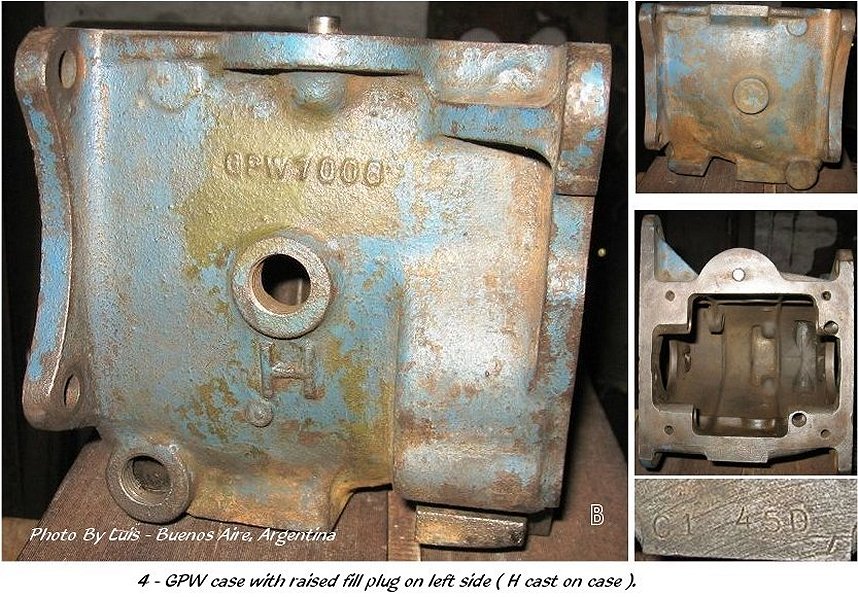
The earliest case have the fill and drain hole on the right side of the case, this was used till end of 1942.
The middle verion had the drain holes on the left side of the case, this was used until November 1944.
The later war version had a H(high fill) marking instead of the GPW marking, this was used from November 1944 till end of production.
The correct color for the gearbox is engine gray.
Some late GPW’s were might fitted with the Warner gear and Frank Bros T-84 gearboxes. These gearboxes did not have the F mark but were marked with the GPW part numbers.


Willys MB Transmission
For the Willys MB there were a few different casting companies;
- Brown-Lipe
- Warner Gear
Sometimes you can find a mold date at the side, see first picture.
Letters are the months A January, M December. The letter I is skipped.
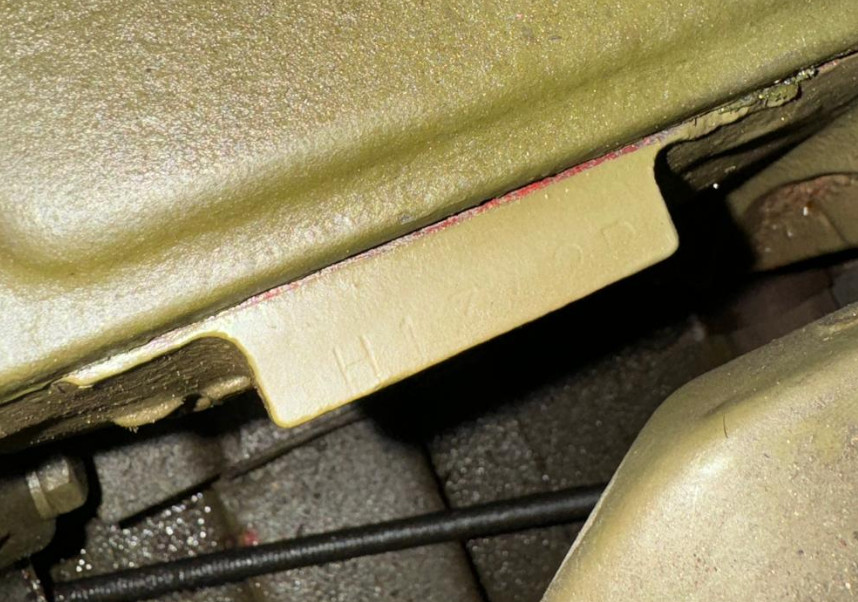
Picture above: Date of the Gearbox.
H= August 1942
Post war Transmission
Postwar transmission cases are marked W.O.F (Willys Overland France) and are used for the M201 Hotchkiss jeep by the French Army.
Postwar CJ jeeps did use the T-90 Gearbox.
The T-90 Transmission is easy to reconize compared to the T-84.
The T-90 Transmission is slighly higher.
T-90 Transmission can be seen inside wartime jeeps, but post war installed. You can easy reconize them by the higher gearbox topcover
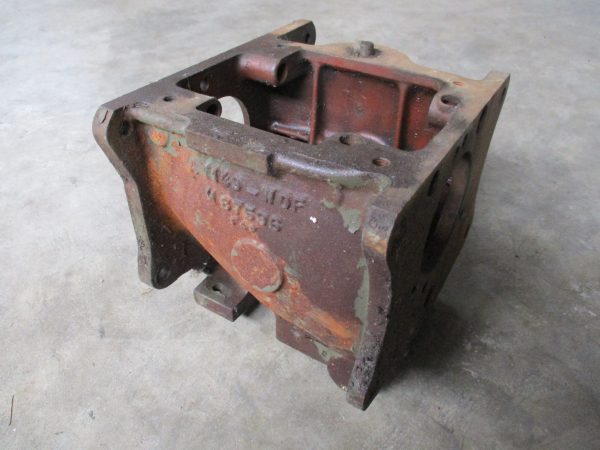
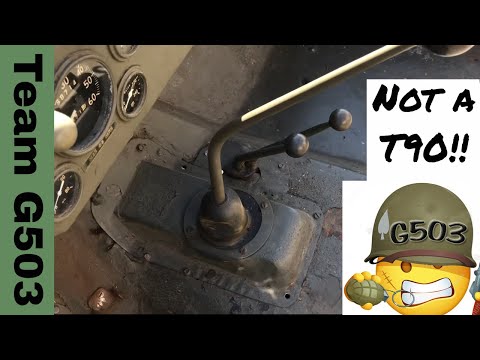
Picture above: T-90 Transmission, you can clearly see the different height of the transmission
Transfercase
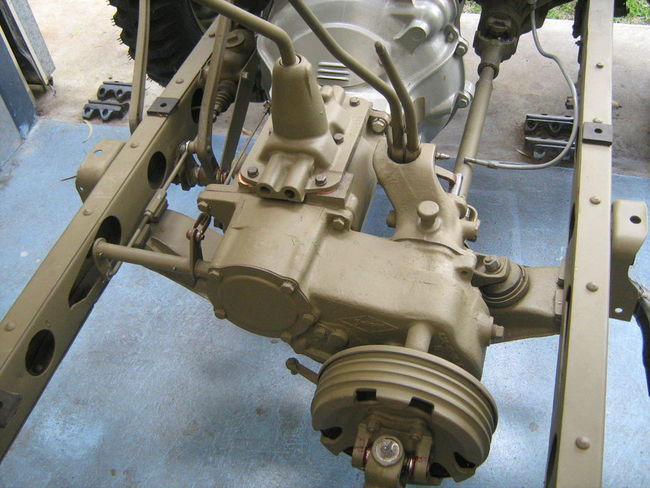
The correct type transfercase is the ‘Dana T18 transfercase’ , this type was used by Ford , Willys and post war model jeeps.
The transfercase has a Low – Neutral and high gear and the option to shift between 2×4 and 4×4.
The gear ratio:
High gear 1:1
Low gear 2.46:1
Ford GPW Transfercase
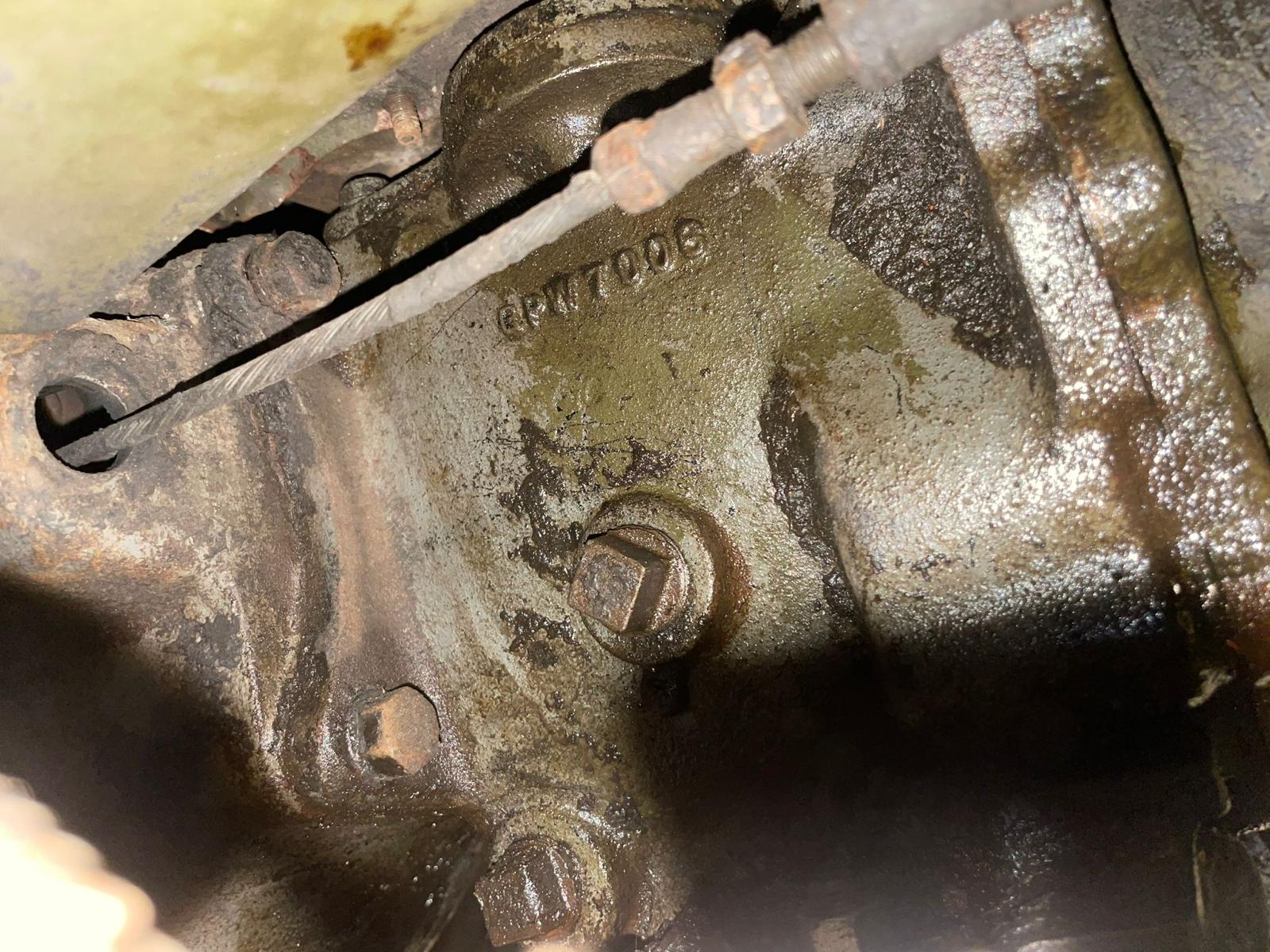
Ford GPW transfercases are marked GPW at the back of the transfercase.
see below picture.
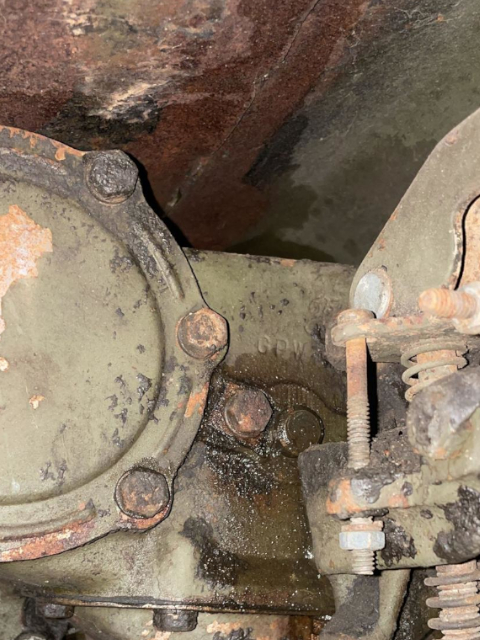
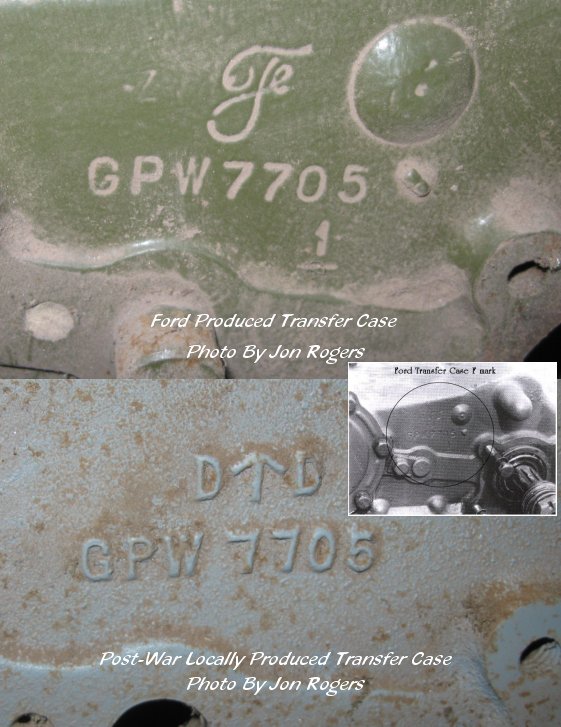
Picture above: Ford GPW transfercase marking and post war marking. Picture by Jeepdraw
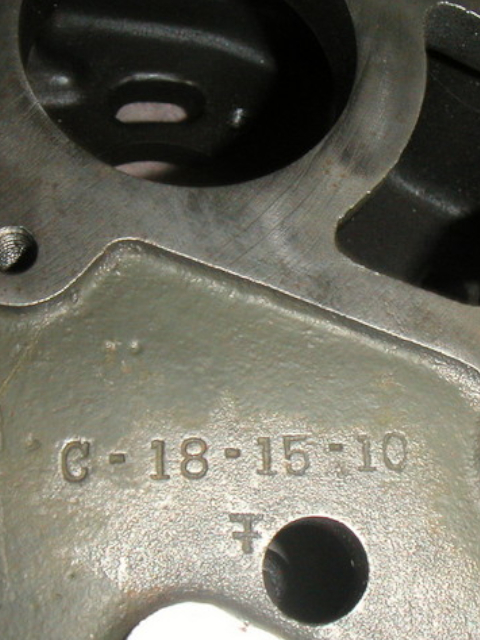
Willys MB Transfercase
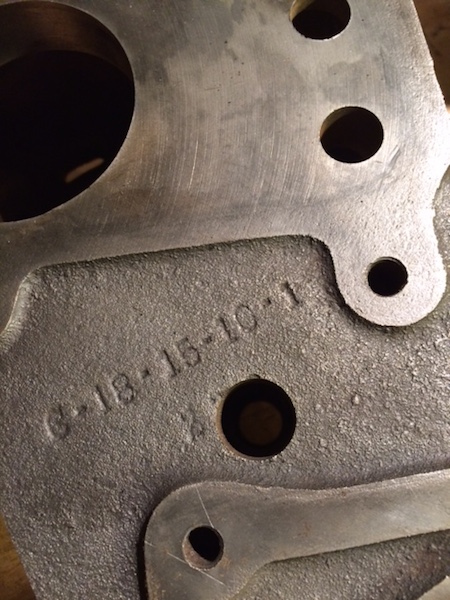
C18-15-10 For VEP (Verly early production)
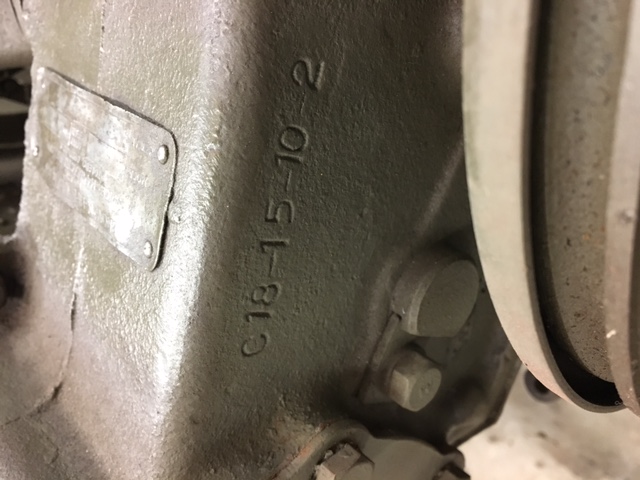
C18-15-10-1 For Standard MB jeeps and very early post war CJ jeeps.


Post war transfercase
c18-15-10-2 2nd style case For post war CJ2A jeeps
C18-15-19-3 , 3rd style case for CJ2A and M38.
C18-15-10-4 , Later style between 1953 and 1979.
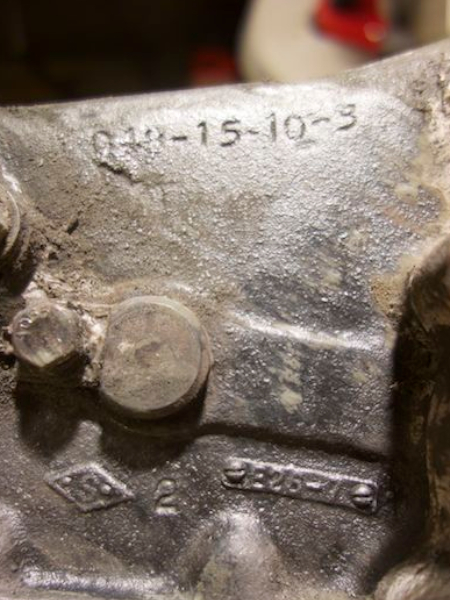
Picture above: Post war Transfercase with C-18-15-10-3 Marking
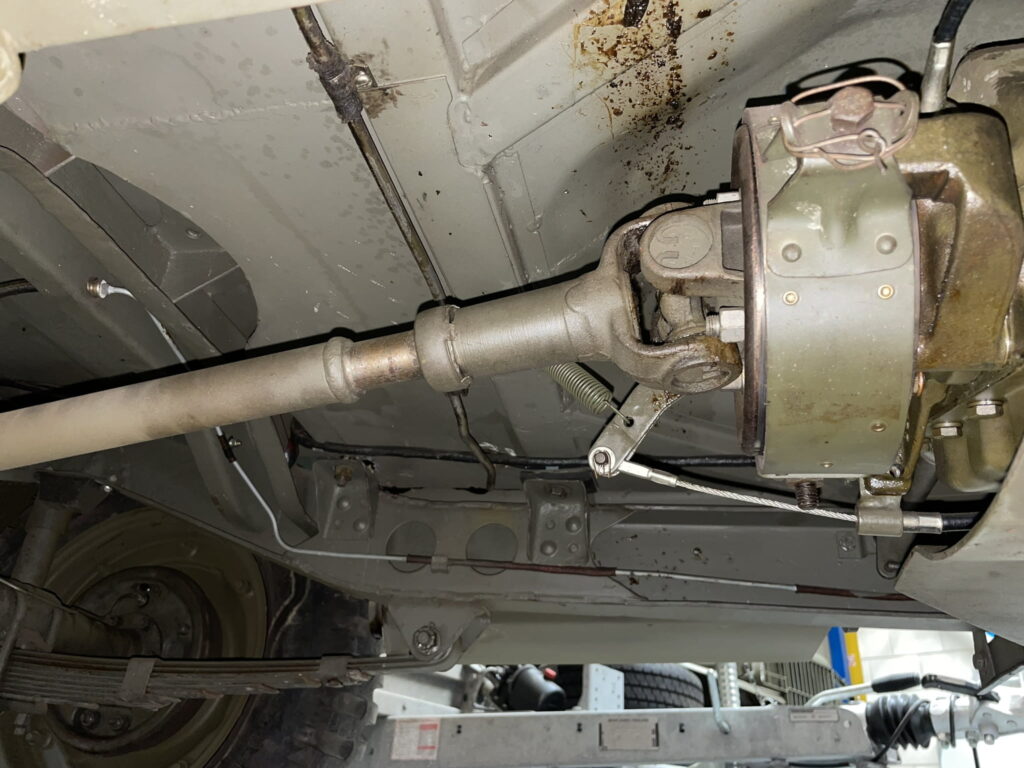
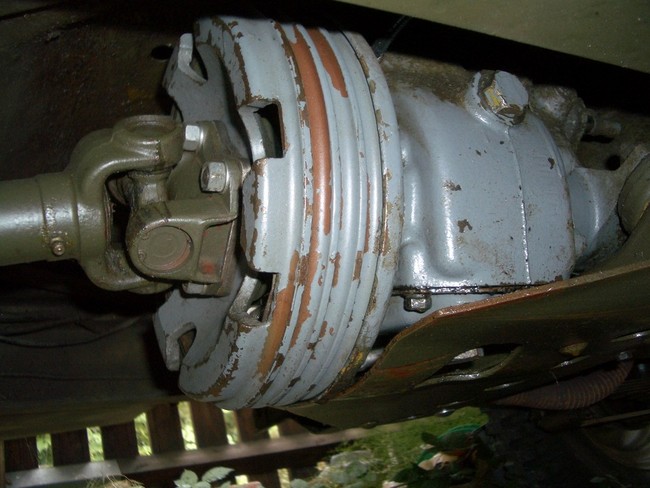
Ford GPW & Willys MB handbrake drum
Post war M201 Handbrake drum